Key Takeaways
- Square Enix skips a physical Xbox release for Final Fantasy Resonance while PS5 and Switch get cartridges
- The Switch 2 version ships on a Game-Key Card — essentially a digital code in a box
- Japanese publishers continue treating Xbox as an afterthought for physical media
- Digital-only Xbox releases erode platform parity and collector value
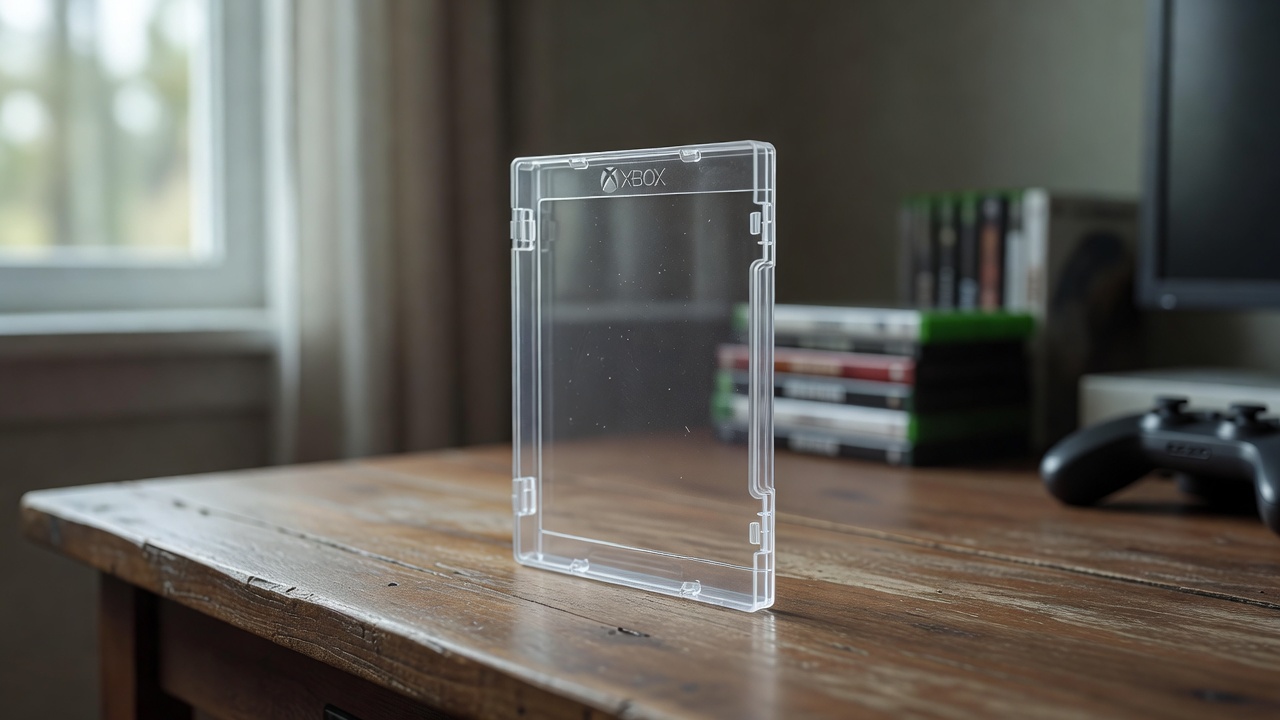
Square Enix has made its priority clear. Final Fantasy Resonance launches October 22 on five platforms. Four of them get a physical standard edition. Xbox does not. The retailer list tells the whole story: Amazon, Best Buy, GameStop, Target, Walmart all stock PS5 and Switch cartridges. The Xbox column reads only "Xbox Store (digital) — $49.99." No disc. No case. No shelf presence. This is not an oversight. It is a decision.
The pattern is familiar. Japanese publishers have spent years treating Xbox physical releases as optional. Octopath Traveler II. Various Atelier titles. The Pixel Remaster series. Each time the reasoning shifts — low install base, high manufacturing minimums, digital attach rates — but the outcome hardens into precedent. Xbox owners learn to expect digital-only. Collectors learn to import. The platform becomes a second-class citizen in the physical market.
Switch 2 buyers get a different insult. Their "physical" edition arrives on a Game-Key Card. That is not a cartridge. It is a plastic card with a download code. Nintendo's new format saves manufacturing cost and kills resale value in one stroke. You cannot lend it. You cannot sell it. You cannot display it. You own a receipt, not a game. Square Enix accepts this for Switch 2 while denying Xbox even that hollow gesture.
The Digital Deluxe Edition underscores the asymmetry. It exists for PS5, Xbox, and PC at $59.99. Switch and Switch 2 listings read "Not yet available." So Xbox merits the premium digital SKU but not the standard physical one. The logic collapses under scrutiny. If digital deluxe sells on Xbox, the storefront works. If the storefront works, a physical standard edition is a distribution choice, not a technical constraint.
Final Fantasy Resonance matters because it is the series' first HD-2D entry. It repurposes Brave Exvius — a gacha mobile game — into a single-player RPG stripped of microtransactions. That pitch deserves a physical artifact. The art style begs for a cartridge. The legacy begs for a box. Xbox owners get neither. They get a storefront entry buried beside thousands of others.
Microsoft shares blame. The Series X|S hardware supports physical media. The certification pipeline functions. But Xbox's own first-party titles increasingly launch digital-first. Starfield. Redfall. The platform holder signals that discs are legacy. Third parties read the signal and act accordingly. Square Enix is not the cause. It is a symptom.
Preorder bonuses feel perfunctory against this backdrop. A Magitek Airship Passkey. A Chestplate of Preparation. A Knight's Greatsword. These are digital trinkets for a digital-only purchase on Xbox. They cannot compensate for the absence of an object. No in-game item replaces the weight of a case in hand.
Collectors will import the Asian-English PS5 version. That version exists. It will play on any Xbox Series X|S via the console's disc drive — if Microsoft's region policies allow. But import copies cost more, ship slower, and carry no local warranty. The publisher forces the most dedicated buyers into a grey market it pretends does not exist.
The industry calls this "platform parity" when feature sets match. Parity means nothing when the product form diverges. A game that sits on a shelf for PlayStation and Nintendo but lives only as a license on Xbox is not the same product. It has different permanence. Different resale rights. Different cultural weight. Square Enix knows this. They chose it anyway.
Final Fantasy once defined console generations. VII moved PlayStation units. XIII tested Xbox 360's Japanese relevance. XVI launched on PS5 first. Now Resonance — a Brave Exvius spinoff — skips Xbox physical entirely. The trajectory traces a downward line. The series that once proved Xbox could carry Japanese blockbusters now treats it as a digital footnote.
Square Enix will cite data. Low physical attach rate on Xbox. High digital share. Just-in-time manufacturing risk. All true. All self-fulfilling. When you skip physical for years, the attach rate drops. When you skip marketing for physical, the awareness drops. The data becomes a wall you built yourself.
Xbox owners who want Resonance physically have one path: buy PS5 or Switch. That is the message. The platform you chose does not merit the full product. Switch 2 owners get a card masquerading as a cartridge. PS5 owners get a disc. PC owners get Steam. Xbox owners get a storefront row. The hierarchy is explicit.
The HD-2D revival — Octopath, Triangle Strategy, now Resonance — targets nostalgia. Nostalgia collects. It displays. It preserves. A digital license preserves nothing. It expires when servers shutter or accounts lock. Square Enix sells nostalgia to Xbox players in the only format that cannot survive the very history it invokes.
This will not change until the cost of skipping exceeds the cost of pressing. That requires Xbox physical sales to spike — which requires publishers to stop skipping. The deadlock holds. In the deadlock, Final Fantasy Resonance launches on Xbox as a ghost. Playable. Purchasable. Unownable.