Key Takeaways
- Crytek built a franchise blueprint spanning Rome, Vikings, and beyond before Ryse even launched
- Microsoft killed the sequel despite a ready-made plan and a team hungry to execute it
- The Viking concept predated Assassin's Creed Valhalla by nearly a decade
- Ryse's visual ambition still outpaces most modern launch titles
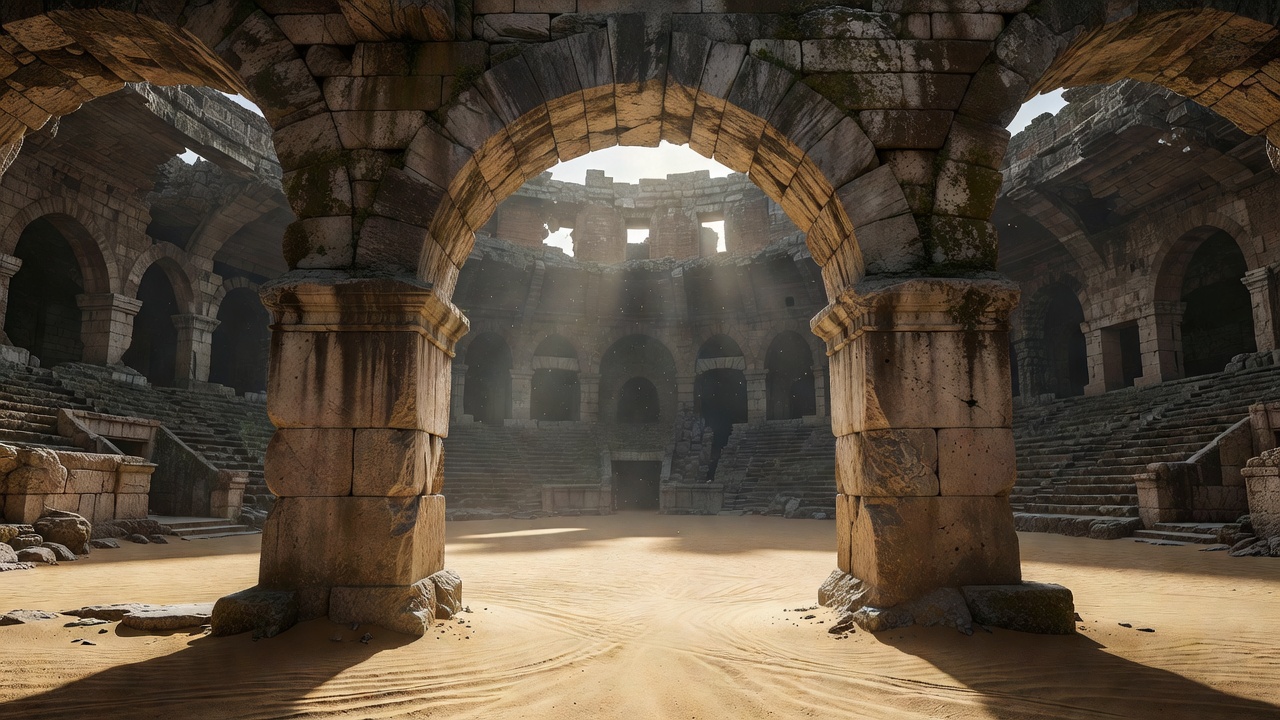
Ryse: Son of Rome was never just a launch game. It was a cornerstone. Crytek and Microsoft knew it. The studio poured its engine prowess into a Roman revenge tale that looked, and still looks, more expensive than most films. Six hours of playtime. Two thirds of the planned content hacked away to hit a November 2013 deadline. The crunch was savage. Yet the team walked away from the wreckage convinced they had birthed a platform-defining franchise. They had the art director. They had the God of War veteran. They had a map of empires waiting to fall.
Patrick Hanenberger moved from DreamWorks to steer the visual identity of a series Crytek's CEO called a "playable movie." Todd Papy left Santa Monica Studio after directing God of War: Ascension, drawn to an unannounced project that former colleagues confirm was the Roman follow-up. The leadership crew — project managers, art directors, a historical researcher — sat down while the first game burned its final discs and asked the question that should have defined Xbox's next decade: do we stay in Rome, or do we own history?
Peter Gornstein, the man who directed Ryse's cinematics, wanted Vikings. Not the pop-culture raiders of later years. He saw the Varangian Guard in Constantinople, Norse longships kissing the coasts of England and France, the westward push to Newfoundland. A canvas almost no one had touched. The History Channel's Vikings show was in its first season. Assassin's Creed Valhalla was a glitch in a developer's imagination, nine years from release. Gornstein's pitch was precise: explore a past that players didn't already know by heart.
That pitch died in a boardroom. Microsoft never greenlit the sequel. Crytek's financial spiral swallowed the studio's autonomy. The franchise blueprint — Rome, then Vikings, then whoever's empire came next — rotted in a drawer. Ubisoft eventually picked up the Viking thread and spun it into a billion-dollar entry. Xbox got a footnote.
The tragedy isn't that Ryse was short. It's that the infrastructure for a historical-action anthology existed, fully staffed and conceptually armed, and the platform holder let it evaporate. Assassin's Creed proved the model: one engine, rotating settings, annualized quality. Crytek had the engine. They had the rotational vision. They had artists who understood how to make history feel tactile rather than textbook. What they lacked was a publisher willing to treat the second game as inevitable instead of optional.
Ryse's graphics still shame modern launches. That's not nostalgia. It's indictment. A 2013 title running on hardware two generations dead renders skin, cloth, and light with a conviction that current cross-gen compromises rarely match. The team achieved that while building the scaffolding for a franchise that could have given Xbox its own historical playground — one that didn't require waiting for a third-party giant to deign to optimize for the platform.
The Viking game would have been strange. It would have been specific. It would have demanded research into Byzantine payroll records and Norse shipbuilding techniques rather than another tour of Renaissance rooftops. That specificity is exactly what platform exclusives should deliver. Not another shooter. Not another open-world checklist. A perspective no other console offers.
Microsoft's current library of first-party history games is empty. The opportunity sat on a whiteboard in Frankfurt twelve years ago. The names are known. The concepts are documented. The only thing missing was the decision to build.