Key Takeaways
- LAPD, the nation's third-largest police department, lets its Flock Safety contract expire citing "serious concerns" over civil liberties and privacy
- Flock's 80,000-camera network feeds license-plate data to police and federal agencies; multiple cities have already cut ties over sanctuary-city violations
- Documented false positives from plate readers have put motorists at gunpoint and in jail; one journalist was tracked for days then boxed in
- Flock calls the non-renewal a "surprise" driven by "misconceptions" but refuses to name them; cameras may keep recording with no active contract
The Los Angeles Police Department just fired a surveillance giant. No press conference. No victory lap. A three-year contract with Flock Safety expires Saturday, and the LAPD's chief information officer Dean Gialamas told reporters the department had to make a "difficult decision" because of "serious concerns around civil liberties and civil rights issues, particularly around privacy and the data that is being collected from these cameras." That is the sound of a bureaucracy finally admitting what civil-liberties groups have screamed for years: mass license-plate tracking is a privacy disaster waiting for a lawsuit.
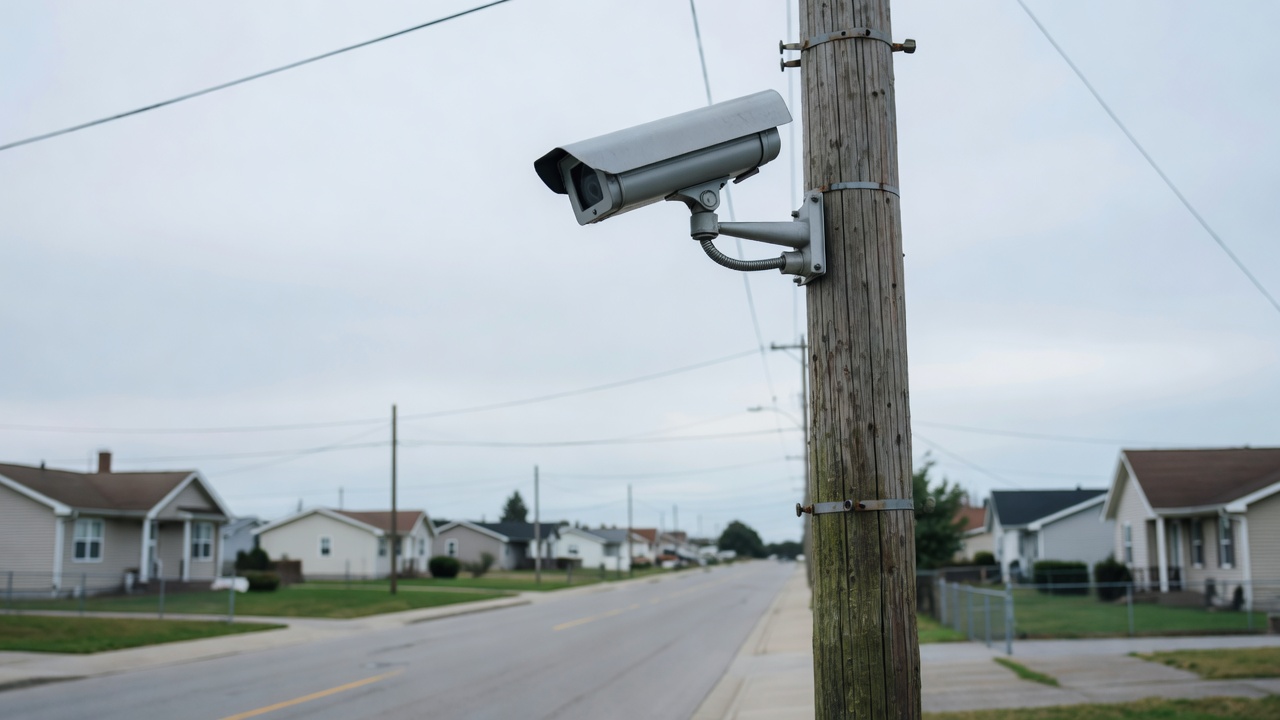
Flock Safety operates at least 80,000 cameras across the United States. The company owns the hardware. The police simply query the database. That arrangement let Flock pitch itself as a force multiplier — "we handle the infrastructure, you handle the policing" — while sidestepping the procurement rules and oversight that govern police-owned surveillance. The LAPD was one of Flock's largest government customers. Losing it cracks the company's credibility with every other department watching.
Mountain View, California and South Portland, Maine already walked away. Both cited privacy worries and evidence that federal immigration agents used Flock data to track residents in violation of local sanctuary-city policies. That detail matters. It proves the data does not stay local. It flows upward to agencies whose priorities contradict municipal law. The LAPD's contract renewal would have renewed that pipeline. Letting it expire severs the pipe — at least until the department writes new language addressing "privacy and data storage concerns," as ABC7 reported.
Flock's response was practiced evasion. Spokesperson Holly Beilin emailed TechCrunch that the non-renewal caught the company by "surprise" and that Flock was confident it could "clear up the current misconceptions." Asked which misconceptions, the company declined to say. That silence is the tell. If the concerns were trivial — a clerical error, a misunderstood clause — Flock would have named them and forced the LAPD to respond. Instead it retreated to vague reassurance. The cameras, meanwhile, may keep recording. No contract. No oversight. Just lenses pointed at every passing plate.
The technology's error rate is not theoretical. Researchers have documented an uptick in motorists pulled over, detained, held at gunpoint, or jailed because a plate reader misread a character or flagged a plate that had been sold, stolen, or never matched the suspect vehicle. Last week a journalist from The Drive detailed how he was tracked for days, then boxed in by officers acting on a false alert. He was not a suspect. He was a mismatch. The system worked exactly as designed: it generated a lead. The human cost was incidental.
That is the core problem. License-plate readers create a dragnet that treats every driver as a potential subject of investigation. The data accumulates. The retention policies are opaque. The sharing agreements are hidden behind "law enforcement sensitive" exemptions. The LAPD's own chief information officer admitted the department needs to "get those data, privacy, security and sharing concerns ironed out through a contractual relationship." Translation: the current contract lacks guardrails. The department signed it anyway. Now it performs a controlled retreat.
Private surveillance contractors love this dynamic. They sell capability first, accountability later. Cities buy the pitch — "solves crimes, catches killers" — and discover the fine print only after the cameras are bolted to poles. Flock has reinstalled cameras without local permission after residents covered them with trash bags. That is not a partner respecting democratic control. That is a vendor treating public infrastructure as its property.
The LAPD's move will not dismantle Flock's network. Eighty thousand cameras do not vanish because one department pauses. But it signals a shift. The largest departments set the market standard. When the third-largest force in the country says the privacy risks outweigh the investigative value, smaller departments lose their cover. They can no longer claim "everyone does it" to justify their own contracts. They must defend the specific tradeoffs — or admit they never bothered to calculate them.
Congress has not regulated automated license-plate readers. The Supreme Court has not ruled on long-term location tracking via plate data. The legal vacuum is why companies like Flock expand fast and why cities like Los Angeles become the de facto regulators. The LAPD's contract expiry is a regulatory act. It says: we will not buy this product until the terms protect the people we police. That is a low bar. That Flock could not clear it tells you everything about the industry's priorities.
The cameras remain. The data flows. The next contract will be written tighter — or the LAPD will walk away permanently. Either way, the presumption that surveillance infrastructure belongs to the vendor, not the public, just took a hit it deserves.