Key Takeaways
- Agility Robotics has paying customers and deployed robots today; Tesla has Optimus prototypes and Elon Musk's timeline promises
- The Fremont facility puts Agility deliberately in Tesla's shadow — a statement that commercial reality beats hype cycles
- Safety-critical systems stay off generative AI; Agility's architecture treats autonomy as an engineering discipline, not a prompt-engineering exercise
- A reverse merger will make Agility the first pure-play public humanoid company, forcing the market to price revenue against narrative
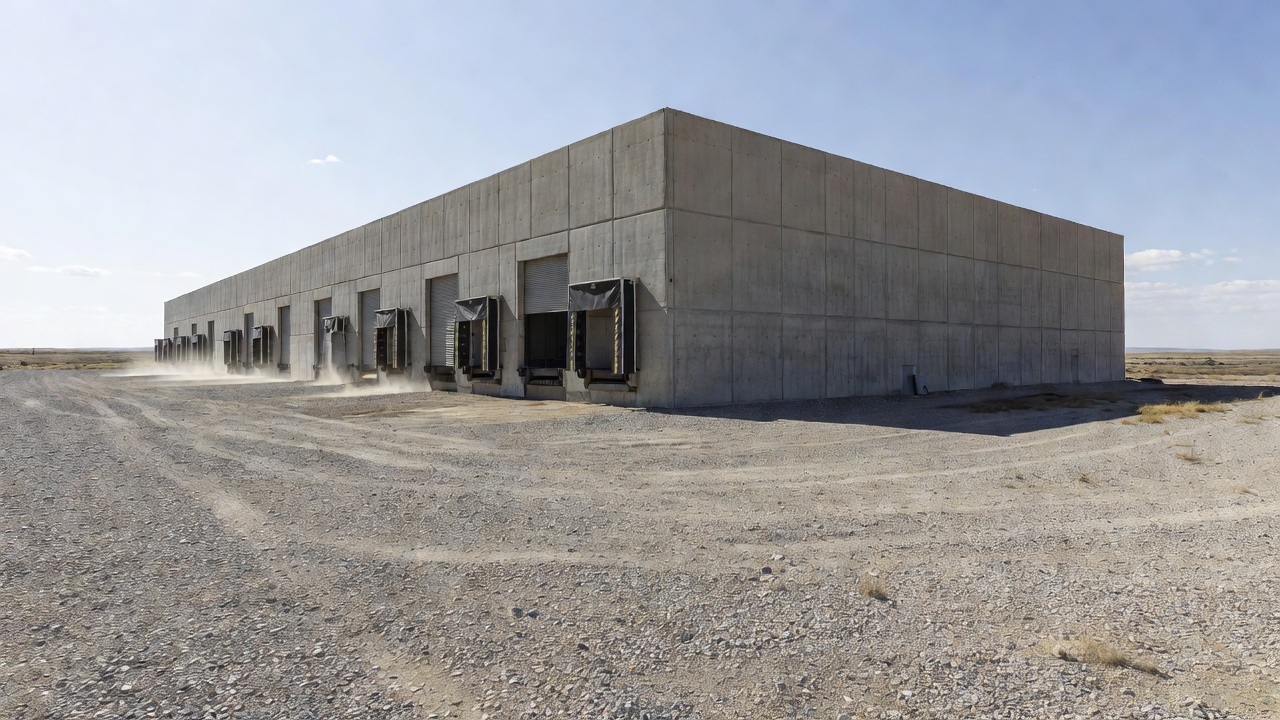
Sixty thousand square feet in Fremont. That is the number that matters. Not the renderings. Not the keynote sizzle reels. A warehouse-sized training ground where Agility's Digit robots already walk, lift, tote, and integrate with warehouse management systems for Amazon, GXO, Schaeffler, and Toyota Motor Manufacturing Canada. Three hundred million dollars in contract orders back the floor plan. Tesla's Optimus factory sits up the highway. Musk claims it will become "the biggest product ever" once it becomes useful outside Tesla "sometime next year." Agility does not need "sometime next year." It invoiced yesterday.
The geography is deliberate. Peggy Johnson, Agility's CEO, frames the Tesla proximity as collegial — "good to have others in the humanoid space." Read the subtext: the incumbent plants its flag in the challenger's backyard because the incumbent has already cleared the bars that matter. Safety certification. Regulatory compliance. IT infrastructure handshake. WMS integration. These are the unglamorous gates every humanoid must pass before a single tote moves. Agility has keys. Tesla is still cutting them.
Decades of bipedal research anchor the difference. Agility's founding team cracked dynamic walking in 2015, years before transformer mania rewrote the AI roadmap. That legacy shows in the architecture. Damion Shelton, co-founder and chairman, draws a hard line: the anti-lock brake controller does not run on a large language model. The safety stack — fall detection, emergency stop, joint torque limits — travels a deterministic, auditable path. Generative AI gets the application layer: the vast museum of tasks no engineering team can hand-code. Shelton admits the board member who invented Quicktime once asked how they would code every application. They had no answer. Now they do. AI writes the skills; physics-guaranteed firmware keeps the robot from crushing a coworker.
This split — generative breadth, deterministic depth — is the only architecture that survives first contact with a factory floor. Figure, 1X, the Bot Company, Sunday Robotics: they chase the demo. Agility chases the deployment. The distinction explains the reverse merger. Going public as a pure-play humanoid company forces a valuation conversation the market has avoided. Investors have priced narrative (Tesla, Figure) or components (Nvidia, harmonic drives). They have not priced a humanoid business that ships product, recognizes revenue, and owns a safety case regulators have already blessed. The SPAC route accelerates that pricing. It also locks in a war chest for the scale phase: more Fremonts, more Digits, more integration engineers who speak SAP and Oracle fluently.
Skepticism earns its keep here. Agility discloses neither unit count nor unit economics. Outside observers estimate "dozens" deployed. One hundred thousand totes moved at GXO sounds impressive until you divide by shifts and robots. The $300 million order book is a backlog, not a run rate. The reverse merger carries dilution and activist-overhang risks. And Tesla's manufacturing gravity is real — if Optimus reaches line-rate production, unit cost curves could flatten Agility's margin thesis fast.
But the market has a habit of over-indexing on the loudest voice in the room. Musk's "biggest product ever" quote will echo in earnings calls for quarters. Johnson's line — "we have commercialized" — will not. That asymmetry is the trade. Agility's flag in Fremont says the company knows it. The robots on the floor say it has earned the right to say it. The rest is noise until Optimus moves a tote in a building Agility does not own.