Key Takeaways
- Waymo just killed the Dallas waitlist, opening its robotaxi service to everyone — 150,000 riders already tested it
- The company still can't serve Dallas Love Field Airport, its most obvious high-value route
- Heavy rain and flooded roads forced a multi-city pause in May; Waymo admits it will still pull cars off streets when weather turns bad
- The Dallas launch follows the same playbook used in Phoenix, Los Angeles, and San Francisco — but the weather problem hasn't been solved
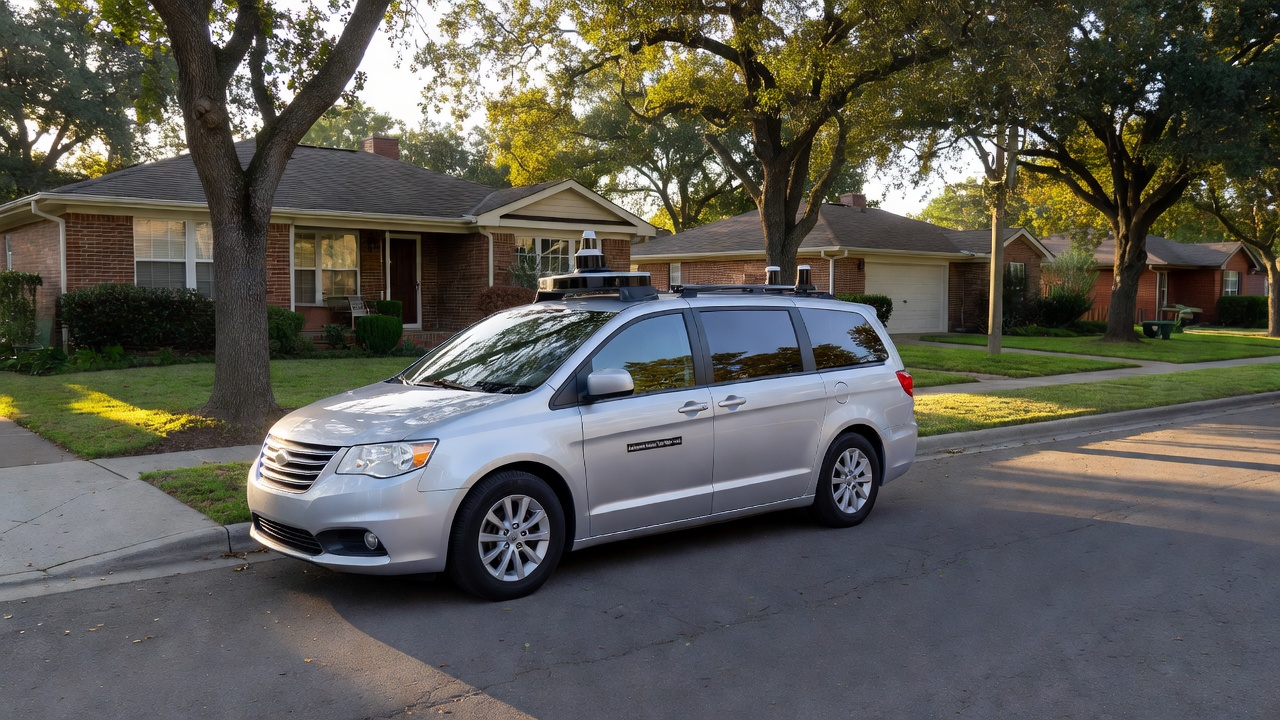
Waymo dropped the waitlist in Dallas on Tuesday. Anyone with the app can now hail a robotaxi. That's the headline. The real story sits in what the company still won't do.
The service covers the city but stops at Dallas Love Field Airport. Waymo says it's still testing there. "Soon" is the only timeline offered. Airports are where robotaxis make money — predictable routes, high fares, captive demand. Excluding the airport isn't a footnote. It's a revenue hole the size of a runway.
One hundred fifty thousand riders used the app during the waitlist period. That number matters. It proves latent demand exists in a sprawling, car-dependent metro where public transit barely registers. But demand isn't the constraint. Weather is.
In May, Waymo yanked its cars off streets in Dallas, Houston, San Antonio, and Atlanta simultaneously. Heavy rain. Flooded roads. The sensor stack couldn't handle it. The company resumed service weeks later but baked a permanent caveat into its operating model: it will pause or adjust operations whenever severe weather, flood warnings, or "real-time conditions" dictate. Riders check the app to see if the service exists that day.
This is not how a transportation network behaves. This is how a beta test behaves.
The Jaguar I-Pace fleet sits at Avis Budget Group depots, charging and waiting. Avis handles the grunt work — maintenance, cleaning, logistics. Waymo provides the brain. The split makes operational sense. It also reveals that Waymo still treats fleet management as someone else's problem. That works at pilot scale. It gets expensive fast when you're running thousands of vehicles across time zones.
The Dallas launch mirrors Phoenix, Los Angeles, San Francisco. Same playbook. Same waitlist-to-open pipeline. Same airport gaps. Same weather vulnerabilities. Waymo is scaling a playbook, not a solution. The distinction matters because investors and regulators keep conflating the two.
Alphabet's patience is the only reason this playbook keeps running. Waymo burns cash at a rate that would bankrupt any standalone startup. The parent company absorbs the loss because the prize — a genuine, scalable, human-free ride-hail network — would print money. But the prize requires solving physics problems that lidar and neural nets still struggle with: water on pavement, sensor occlusion, hydroplaning physics at 40 mph.
Dallas residents won't care about the sensor physics. They'll care that the car doesn't show up when a thunderstorm rolls through North Texas in April. They'll care that the airport ride still requires a human driver. They'll care that the service map shrinks every time the sky opens up.
Waymo knows this. The company's own spokespeople point riders to the app for real-time status. That's honest. It's also a concession: reliability is conditional. The waitlist is gone. The conditions remain.
Scaling across Europe and the UK comes next, Waymo says. The regulatory thickets there make Texas look permissive. The weather in London and Munich makes Dallas look dry. If the playbook hasn't solved flooded roads in Texas, it won't survive a German autumn.
The editorial take is simple: Waymo built an impressive demo. It hasn't built a utility. The waitlist drop is a marketing milestone dressed as an operational one. Call it progress. Don't call it done.