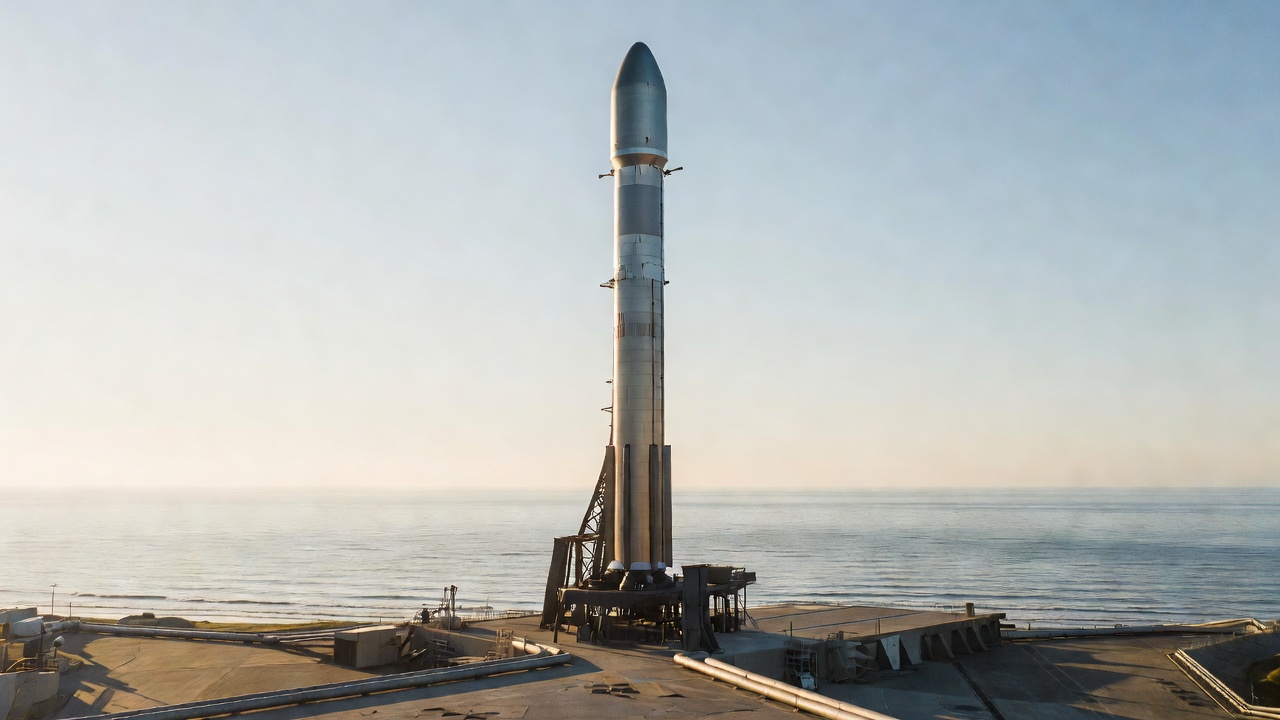
SpaceXAI releases Grok 4.5, which Elon describes as an ‘Opus-class model’
Digital Frontier EditorialJuly 8, 20265 min read
Key Takeaways
SpaceXAI prices Grok 4.5 at $2/$6 per million tokens — less than half Opus 4.7's $5/$25
Musk claims "Opus-class" capability with faster speed and lower cost; benchmarks show just short of best-in-class
Release lands one day before OpenAI's GPT 5.6 launch, previously blocked by Trump administration security concerns
Token efficiency claim of "twice greater" than rivals remains untested in production workloads
Elon Musk just fired a pricing missile across the AI industry. Grok 4.5 arrives at $2 per million input tokens and $6 per million output. Opus 4.7 charges $5 and $25. OpenAI's Sol tier sits at $5 and $30. The math is brutal for incumbents.
Musk calls it "Opus-class." His internal assessment pegs Grok 4.5 comparable to Opus 4.7 but faster. That phrasing — "our internal assessment" — should trigger skepticism. Companies grade their own homework generously. Independent benchmarks will decide whether the label sticks or becomes another Musk superlative that ages poorly.
The timing is deliberate. OpenAI drops GPT 5.6 Thursday. That model sat on ice for months while the Trump administration weighed security implications. Now it ships as "strongest model yet." SpaceXAI's Wednesday release isn't coincidence. It's a preemptive strike — frame the narrative before the oxygen gets sucked out of the room.
Token efficiency claims deserve a cold stare. "Twice greater token efficiency" than leading models. If real, that rewrites the economics of inference at scale. Enterprise buyers have watched token bills balloon. A genuine 2x improvement would force every competitor to slash prices or justify premiums. But efficiency metrics on curated benchmarks rarely survive contact with messy production workloads. The coding tasks, the long-context research, the multi-turn reasoning — that's where tokens evaporate.
SpaceXAI went public weeks ago. This is their first earnings-adjacent release. The pressure to show momentum is real. Public markets punish stagnation. Grok 4.5 reads like a quarters-one deliverable: competent, priced to move volume, positioned against the most feared competitor. Opus has owned the high-end reasoning tier. Undercutting it on price while claiming parity is a classic disruptor play.
Musk's X post frames beta customer feedback as the trigger for public release. "Strong positive feedback" from a selected beta group. Selection bias is inherent. The customers who got access likely had use cases aligning with Grok's strengths. The ones who didn't — we won't hear from them until the model hits general availability.
Pricing tells its own story. Luna, OpenAI's cheapest tier, matches Grok's output token cost at $6 but undercuts input at $1. SpaceXAI isn't racing to the bottom. They're staking a claim in the middle: better than budget, cheaper than premium. That's where enterprise volume lives. The $2/$6 price point suggests they've solved something in their inference stack — or they're buying market share with margin sacrifice.
The benchmark metrics released Wednesday show competitiveness "just short of best-in-class." That phrasing is honest enough to be suspicious. Companies that lead benchmarks shout it. Companies that trail but remain close phrase it carefully. "Just short" means they know exactly which model beats them and by how much. They're not naming it.
Grok 4.5 targets the workhorse tier: coding, clerical automation, research, writing. Routine knowledge work. That's the revenue engine of the AI boom. Not the flashy reasoning demos. The grinding daily volume. If token efficiency holds there, SpaceXAI captures the meat of the market. If it doesn't, they've just discounted a commodity.
Musk's "faster, more token-efficient, lower cost" triad is the classic impossible triangle. Pick two usually. Claiming all three suggests either a genuine architecture breakthrough or a benchmark suite that flatters the model's specific optimizations. The industry has seen this movie. The sequel rarely matches the trailer.
OpenAI's GPT 5.6 launch Thursday changes the conversation instantly. If it delivers the leap implied by "strongest model yet," Grok 4.5 becomes yesterday's pricing story by Friday. SpaceXAI knows this. Their window to define the narrative is hours. They took it.
The Trump administration's security hold on GPT 5.6 reveals something the industry prefers to ignore: capability thresholds trigger government intervention. If Grok 4.5 truly matches Opus 4.7 capability, it sits near whatever line drew federal scrutiny. SpaceXAI's public status adds compliance weight. Their benchmarks will get regulatory eyes, not just competitor eyes.
Wednesday's blog post calls Grok a workhorse. That's the right metaphor. Workhorses don't win shows. They pull loads reliably, day after day, without breaking down or eating the farm. The market needs workhorses. It's drowning in thoroughbreds that limp after three furlongs.
Token cost anxiety is real. CFOs are auditing AI line items. A model that delivers Opus-tier output at 40% of Opus pricing doesn't need to be better. It just needs to be adequate. Adequate at half price wins procurement reviews. SpaceXAI understands the buyer.
Thursday will bring independent stress tests. Red teamers will probe the "Opus-class" claim. Developers will run their actual workloads — not benchmarks — and measure token burn. By weekend we'll know if Grok 4.5 is a workhorse or a show pony with a discount tag. The pricing missile has launched. Impact assessment starts now.