Key Takeaways
- Science Corp's PRIMA chip just became the first vision-restoring BCI cleared for European commercial sale, targeting the massive macular degeneration market
- Founder Max Hodak is using this beachhead to fund his real ambition: hybrid silicon-living-cell neural interfaces, having left Neuralink to avoid a "BCI winter"
- At hundreds of thousands per unit with reimbursement still unsettled, the business model depends on European healthcare systems absorbing costs that would bankrupt most patients
- The FDA breakthrough designation for rare blindness conditions signals a dual-track strategy: revenue from common AMD, regulatory momentum from orphan indications
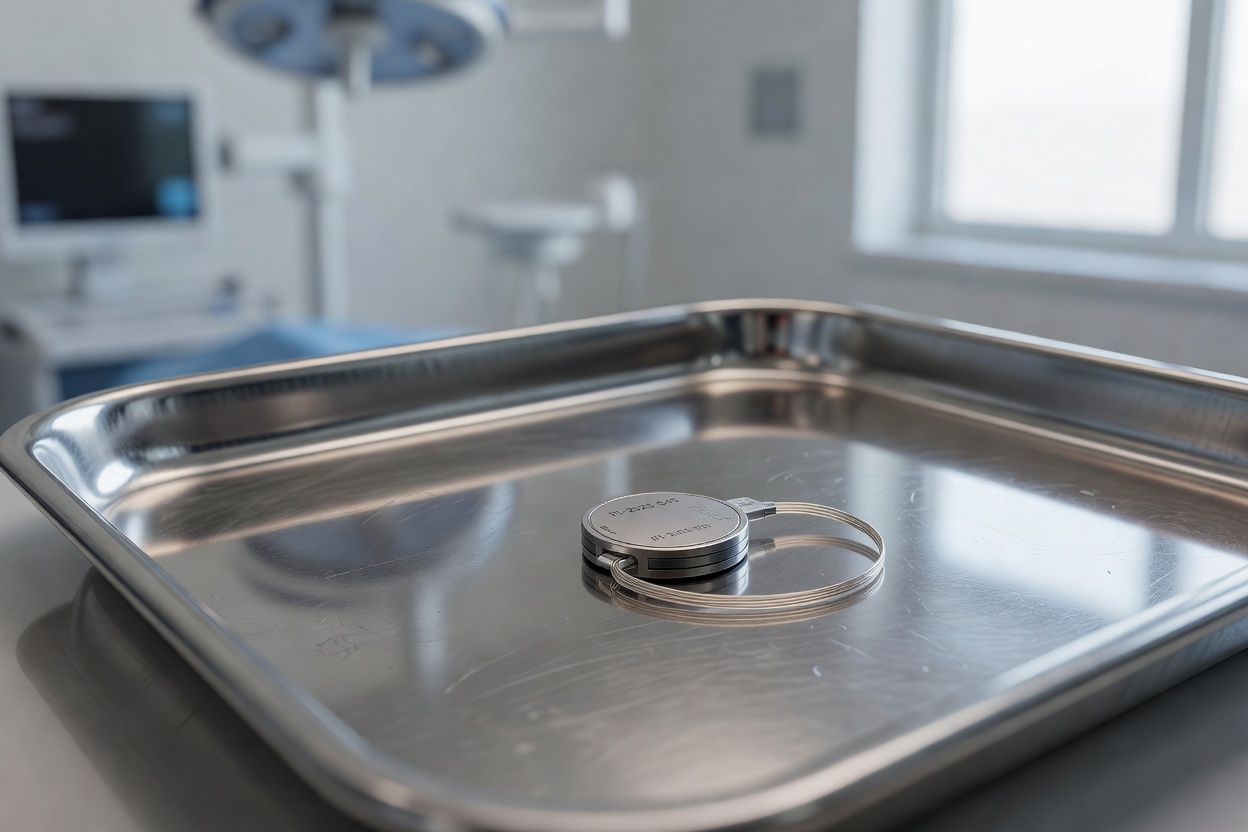
Europe just handed a brain-computer interface company its first real commercial license to restore sight. Science Corporation's PRIMA implant, a chip seated behind the retina and fed by camera-mounted glasses, cleared the EU medical device regulator for age-related macular degeneration. Millions lose their central vision to this disease. Now a startup founded by a Neuralink co-founder can sell them a prosthetic retina.
The procedure takes an hour. Outpatient. The chip sits in the back of the eye, receiving wireless video from glasses that currently tether to a battery pack. Patients in clinical trials have read 300-page novels, drawn the Sydney Opera House, completed Sudoku puzzles. Functional vision, not theoretical. The FDA separately granted breakthrough designation for two rare blindness categories, opening an accelerated US path. Two markets, one device, different regulatory doors.
Max Hodak left Neuralink in 2021. He watched the BCI field attract billions while producing zero approved products for everyday patients. His diagnosis: the space needs a company making $100 million annually or the whole sector enters a winter. He bought Pixium, a French outfit that had already built PRIMA, and used Science Corp's internal platform to push the documentation through European regulators. The acquisition was the vehicle; the platform was the engine.
This is not charity. Each PRIMA system will cost hundreds of thousands of dollars. Science Corp and its European medical partners are now negotiating reimbursement with healthcare providers. Germany, where trials ran, gets first access. A patient could go under the knife in September. The company's revenue model depends entirely on whether national health services decide restored vision justifies the price tag. No reimbursement, no sustainable business, no $100 million floor.
The glasses still need a battery pack. The chip resolution remains limited. Hodak admits both will improve. But the strategic insight is already visible: vision restoration is the beachhead. The real target is a hybrid interface merging silicon with living cells — a BCI that doesn't just stimulate neurons but integrates with them. That technology is years out. PRIMA pays the rent until it arrives.
Skeptics will note the Irony. Neuralink's former president building a sustainable business on a device that doesn't even penetrate the cortex. But Hodak's pragmatism may be exactly what the field lacks. Neuralink raises billions on promise. Science Corp just secured a CE mark on product. The contrast is instructive: one company implants chips in healthy volunteers to prove bandwidth; the other implants chips in blind grandmothers to prove utility.
The orphan indications matter more than they appear. Breakthrough designation for rare blindness conditions gives Science Corp intimate FDA access, rolling review, and a moral shield against pricing criticism. When the AMD reimbursement fights get ugly in Berlin or Paris, the company can point to children with rare genetic blindness who have no other options. Regulatory strategy as political armor.
Science Corp's next chip is already in development. The glasses will shed the battery pack. The resolution will climb. But the fundamental question remains: can a vision prosthetic generate enough recurring revenue to fund a neural interface moonshot? Hodak bet his career on yes. Europe just validated the first step. The market now decides the rest.