Key Takeaways
- Also's $4,500 TM-B e-bike finally ships next week after a four-month delay the company still won't fully explain
- Customers who pre-ordered describe a pattern of missed dates and silence that erodes trust before the first ride
- The Rivian spinoff's real ambition — cargo vehicles for Amazon, autonomous delivery for DoorDash — hinges on nailing this launch
- $105 million in Eclipse backing buys runway but not credibility; that comes from shipping product on time
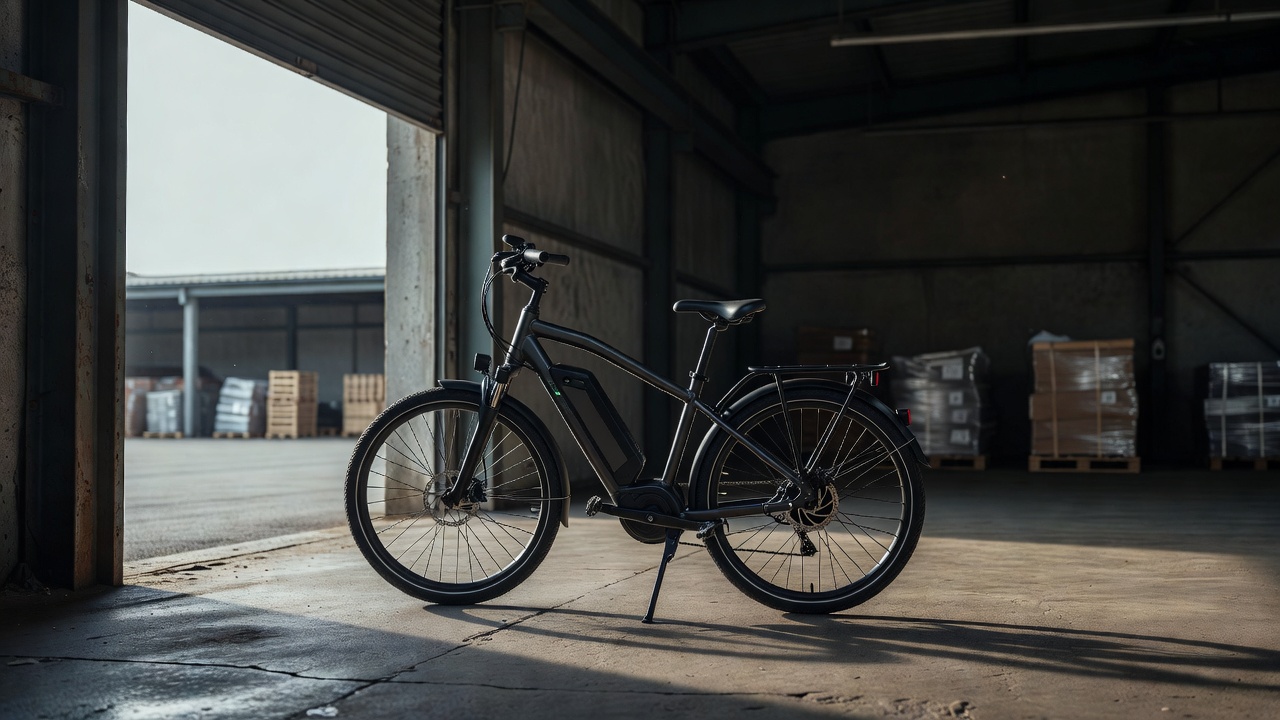
Also will start delivering its TM-B e-bike next week. That sentence should have been true in spring. It wasn't. The Rivian spinoff blamed "global supply chain stress" and an "industry-wide spike in demand for raw materials and electronic components" — corporate speak for we underestimated how hard this is. They still won't name the specific parts that broke the schedule. That omission matters. A company asking $4,500 for a first product from an unknown brand owes buyers more than vague macroeconomic gestures.
The TM-B launched in October with a spring 2026 target. By June that slipped to July. Now the window stretches from next week through September. Each revision came with the same assurance: engineering and production teams working around the clock, no corners cut on safety or quality. The repetition suggests a team managing optics more than operations. Hardware startups live by a simple rule: ship dates are promises. Break them once, you earn scrutiny. Break them twice, you earn skepticism. Break them three times while staying silent on root cause, you earn the assumption that you don't actually know.
Reddit shows the damage. On the last day of July, reservation holders vented in r/ALSOmicromobility. One called out "lack of communication and actual miscommunication/lies." Another canceled. The sarcasm — "Hey we've still got a few business hours left in July. Maybe we'll get an email later this morning" — cuts deeper than anger. Anger means they still care. Sarcasm means they've stopped believing.
Also began as a Rivian skunkworks in 2022. RJ Scaringe wanted an e-bike to complement his electric adventure vehicles. The project hired Jony Ive's LoveFrom for design. It spun out in March 2025 with $105 million from Eclipse. That pedigree — Rivian DNA, Ive-adjacent design, serious venture backing — created a halo. Halos don't assemble bikes. The TM-B's mid-drive motor, carbon belt drive, and integrated lighting look competent on paper. So do the specs of a dozen direct-to-consumer e-bikes that launched on time for half the price.
The $4,500 Launch Edition positions Also above Rad Power, below Specialized. That's a bold ask for a company with zero delivery history. Early adopters accepted the premium on faith. Faith compounds when communication holds. It evaporates when a company misses spring, misses July, then announces "next week to September" on a Friday support page without emailing reservation holders directly. Also told TechCrunch on Friday. The customers found out on Reddit.
The bigger play sits in the background. Also calls itself a "vehicle" company, not a bike company. It's building four-wheel pedal-assist cargo vehicles for Amazon and an autonomous delivery vehicle for DoorDash. Those contracts represent real revenue and strategic validation. They also represent complexity that makes the TM-B look simple by comparison. If Also struggles to communicate a single-product delay, how will it manage multi-vehicle programs with enterprise clients who tolerate zero ambiguity? Amazon and DoorDash won't accept "supply chain stress" as a standing excuse.
Eclipse's $105 million buys time. It doesn't buy operational competence. The TM-B delay traces to components the company won't name. That suggests either a single-source dependency they failed to secure or a design choice that locked them into constrained supply. Neither inspires confidence for the cargo vehicle program, which will require vastly more parts at higher volumes. The autonomous DoorDash vehicle adds software and sensor stacks to the bill of materials. Each new dependency is a new way to miss a date.
Also's next test isn't manufacturing. It's customer service. The first bikes arrive at a U.S. warehouse, then fan out to buyers who have waited months past the promised window. Some will receive a great product. Others will face defects, shipping damage, or simply the gap between marketing renderings and physical reality. How Also handles those first support tickets — response time, resolution quality, transparency — will define its reputation more than any spec sheet. The Reddit thread is a preview of the inbound volume. Companies that treat early adopters as beta testers without consent lose them permanently.
The Rivian connection cuts both ways. Scaringe's track record with the R1T and R1S proves he can scale complex EV production. But Rivian had Amazon's 100,000-van order as a forcing function. Also has ambition and a much smaller locked-in backlog. The cargo vehicle deal with Amazon validates the concept. The DoorDash autonomous vehicle validates the vision. Neither validates the execution capability on a $4,500 consumer e-bike that should have shipped in April.
Next week the first TM-Bs reach customers. That's a milestone. It's also the baseline. The editorial question isn't whether Also can eventually deliver — $105 million and Rivian pedigree make that probable. The question is whether a company that communicates this poorly on a single product can execute on a multi-vehicle roadmap with enterprise partners who demand precision. The bikes will tell us. The next support thread will tell us more.