Key Takeaways
- A PBS affiliate is suing a data center to reclaim 50TB of irreplaceable archival footage after its cloud provider ghosted them.
- The data includes 70 years of local history — pandemic coverage, the 1993 flood, East St. Louis documentation — most of it unique.
- A judge ordered the data center to hand over physical drives and gave the station 30 days to find an ex-employee of the defunct cloud provider to decrypt and retrieve it.
- The case exposes how "cloud" abstraction collapses when the middleman vanishes and the infrastructure owner washes its hands of responsibility.
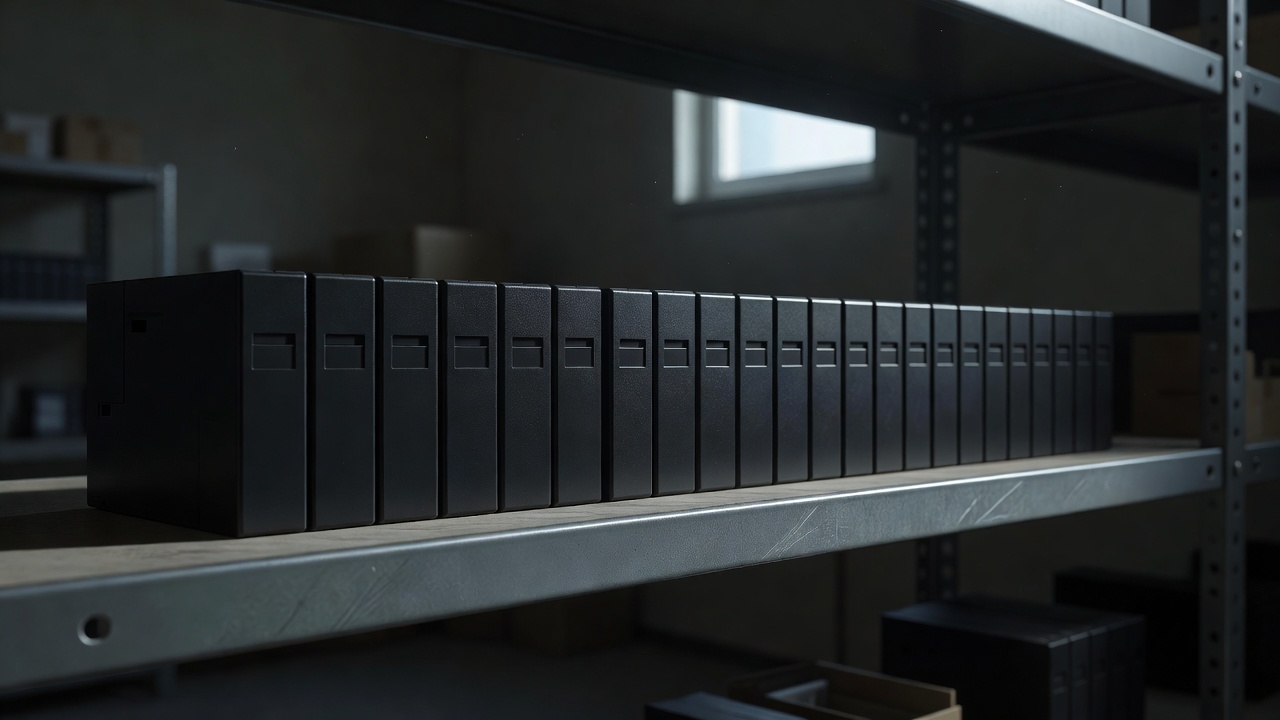
Nine PBS in St. Louis stored 70 years of public broadcasting history on someone else's computers. Then the someone else stopped answering the phone. Open Source Storage, the cloud provider that sold Nine PBS the promise of durability, has gone dark. Its infrastructure partner, Iron Mountain Data Centers, sits on the physical drives in a Denver facility and refuses to release them. The station had to sue to get a judge's attention.
The data is not replaceable. Eleven thousand files document the COVID-19 pandemic as it hit East St. Louis. They hold footage of the Great Flood of 1993. They contain the daily record of a community that no corporate archive bothered to preserve. Nine PBS calls most of it "unique and irreplaceable" in court filings. That is not hyperbole. Public media creates the record that commercial outlets ignore. When that record sits on a server owned by a company that no longer exists, the public loses its memory.
Iron Mountain's position is legally cautious and morally hollow. The data center claims it cannot release hardware because it belongs to OSS, not Nine PBS. It cites contracts signed between companies that no longer function. This is the cloud's dirty secret: your data lives on hardware you don't own, managed by a company you didn't hire, under a contract you never saw. When the middle layer evaporates, the bottom layer hides behind paperwork.
The judge cut through the paralysis. Iron Mountain must surrender the physical devices. Nine PBS must recruit a former OSS employee — someone who knows the encryption, the file system, the idiosyncrasies of a dead company's architecture — and retrieve the data within 30 days. Without corrupting other OSS clients' data still on the same drives. The station has already found a willing ex-employee. That a public broadcaster must rely on the goodwill of a laid-off engineer to decrypt its own history is an indictment of the entire managed-storage model.
Encryption adds a second lock. If the drives are encrypted and the keys died with OSS, the 30-day window becomes a countdown to destruction. The judge anticipated this: another hearing will follow if decryption fails. But the clock does not pause for legal procedure. Magnetic media degrades. Solid-state cells leak charge. Every day the drives sit in a Denver rack, the probability of total loss rises.
This is not a technical failure. It is a business model failure. Cloud storage sells abstraction — "we handle durability so you don't think about it." The fine print removes the provider's liability for exactly the scenario playing out in Denver. OSS collected monthly fees for years. It purchased capacity from Iron Mountain. It vanished. The infrastructure provider keeps the hardware. The customer keeps the loss. The contract chain holds; the data falls through the gaps.
Nine PBS is a PBS affiliate. Its budget is public. Its mandate is preservation. It cannot afford enterprise-grade redundancy across multiple providers. It trusted a single vendor. That trust was rational for an organization with limited IT staff. The market punished it anyway.
The case will set precedent. If Iron Mountain prevails on appeal, every small institution that outsourced storage to a reseller learns that their data is hostage to a contract they never signed. If Nine PBS retrieves the archive, it will have done so through a judicial workaround that cannot scale. The next vanished provider will leave the next station in the same trap.
Public broadcasting built the archive over seven decades. A three-year contract with a cloud reseller nearly erased it in three months. The drives sit in Denver. The ex-employee waits. The judge watches. The data holds its breath.