Key Takeaways
- Mobileye's founder exits just as the company bets everything on robotaxis and humanoid robots — a strategy that looks more like desperation than vision
- The Mentee Robotics acquisition smells like a founder bailout dressed up as strategic pivot
- Intel still pulls the strings as majority shareholder, making Shashua's departure less a succession than a managed transition
- 2027 robotaxi launch target is fantasy dates for a company that has never operated a fleet
Amnon Shashua built Mobileye from academic research into a $15.3 billion Intel acquisition. He survived the spinout. He steered the company from chip supplier to autonomous driving stack provider for Volkswagen. Now he walks away exactly when the business model fractures.
The timing tells the story. Mobileye just spent $900 million buying Shashua's own humanoid robotics startup, Mentee Robotics. He called it "Mobileye 3.0." The board called it a related-party transaction approved by disinterested directors. Wall Street called it Tuesday. The valuation represents roughly 15% of Mobileye's market cap at announcement — for a pre-revenue robotics company whose chief asset was its founder's rolled equity.
That founder is now leaving.
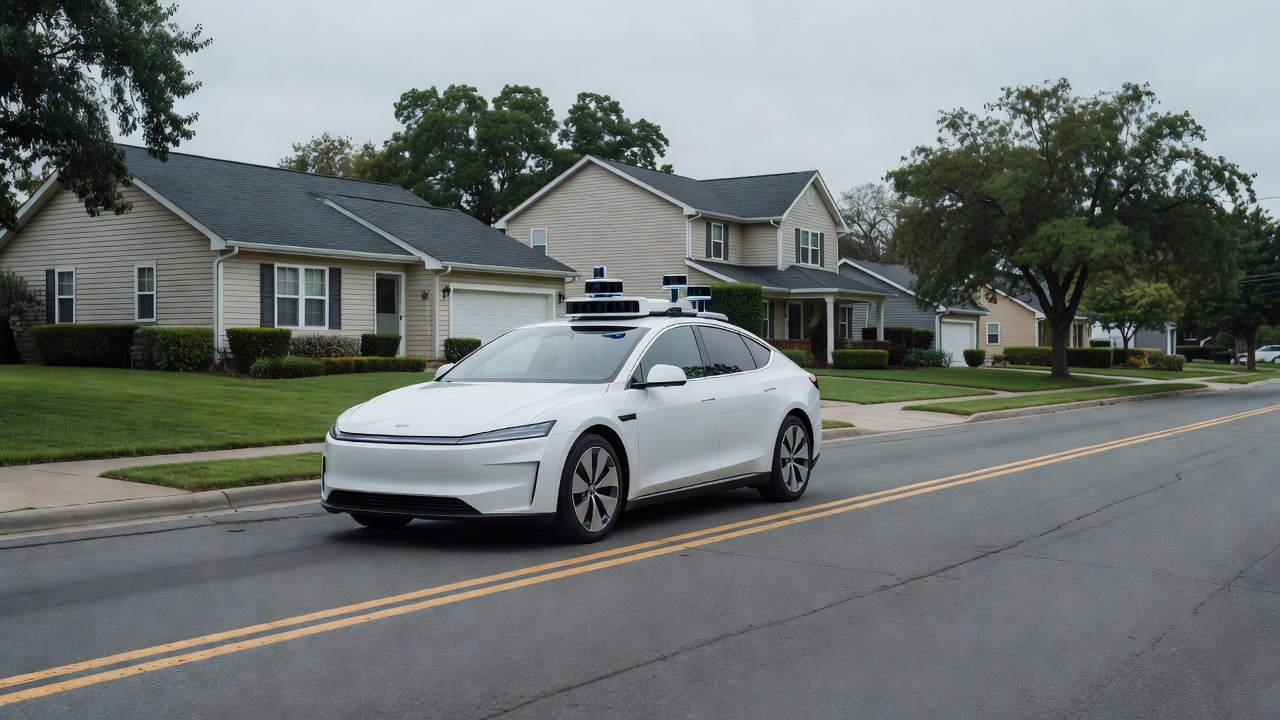
Shashua stays until a replacement arrives. Intel, holding 88% of voting power, will choose that replacement. The next CEO will inherit a company that sells eyes to carmakers but now wants to drive the cars itself. Mobileye announced in June it would launch its own robotaxi service in a U.S. city by 2027. Not a partnership. Not a supplier deal. A service. Fleet operations, charging infrastructure, insurance, regulatory lobbying, customer support — none of which Mobileye has ever done.
The chip business pays for this fantasy. Advanced driver-assistance systems revenue fell 13% last quarter. EyeQ Ultra, the next-gen system-on-chip, slips toward 2025 production. Volkswagen's MOIA joint venture consumes engineering bandwidth. Meanwhile Nvidia's Thor platform eats Mobileye's design wins in China. Zeekr, Li Auto, Great Wall Motor — all gone to the green team.
Shashua knows this landscape. He wrote the first papers on it. He also knows Mobileye's gross margins cannot sustain robotaxi burn rates. Robotaxis require capital intensity that makes chip supply look like software margins. Waymo burns billions annually. Cruise burned billions before GM killed it. Mobileye's cash pile sits around $1.2 billion. The Mentee deal alone consumed $900 million in stock and cash.
The humanoid robot play is even thinner. Mentee had prototypes. Videos. No factory. No supply chain. No customer. Mobileye now owns a robotics lab it must fund while defending its automotive core against Nvidia, Qualcomm, and every Tier 1 supplier building their own vision stacks. The synergy argument — shared perception software across cars and robots — collapses when latency requirements diverge. A car brakes at 70 mph. A robot folds laundry. The compute budgets differ by orders of magnitude.
Intel's patience has limits. Pat Gelsinger needs Mobileye's valuation to support Intel's own stock narrative. A founder-led pivot to capital-intensive services with 2027 revenue targets tests that patience. Shashua's exit lets Intel install an operator who understands fleet economics, not just computer vision math. The new CEO will likely slow the robotaxi timeline, partnership the humanoid effort, and refocus on the chip business that actually prints money.
Shashua deserves credit. He made machines see. He's leaving before the market makes him watch his creation burn cash chasing Musk's dreams. That's not failure. That's timing. But the company he leaves behind has no credible path to robotaxi revenue before 2030, and the humanoid bet is venture science funded by public-market capital.
The next CEO's first decision will reveal everything. If they keep the 2027 date, Mobileye becomes a speculative vehicle. If they walk it back, the stock rerates to a component supplier multiple. Either way, Shashua's fingerprints come off the wheel. The car drives toward a cliff. He chose not to steer.