Key Takeaways
- OpenAI's first hardware is a $230 keypad that feels more like a merch drop than a product
- The device targets "code monkeys" but actual coders are calling it a prank
- Apple's trade theft lawsuit looms over the launch like a storm cloud
- Voice dictation is the only feature that feels genuinely useful
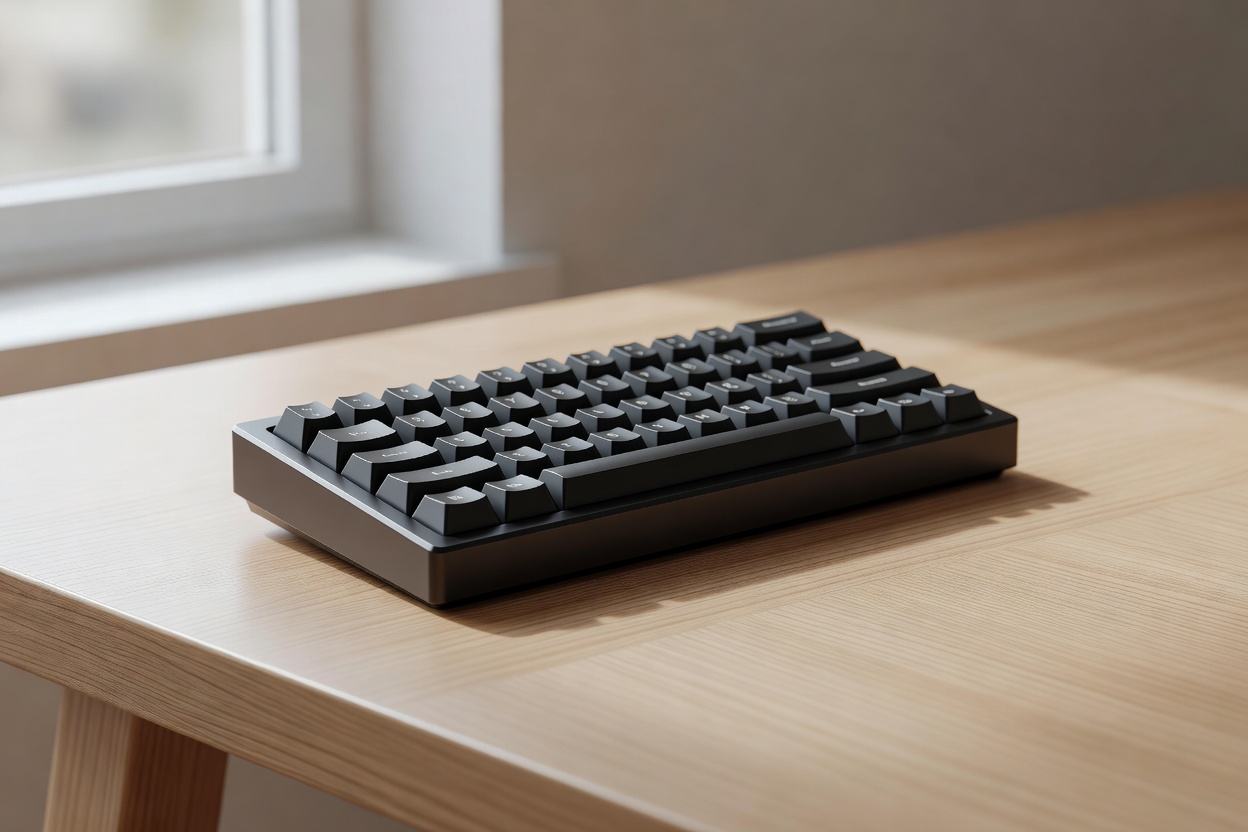
OpenAI built a paperweight that types. The Micro keypad arrived last week wrapped in Apple's aesthetic language — immaculate white box, frosted keys, the kind of industrial design that whispers "premium" while screaming "derivative." At $230, it costs more than a mechanical keyboard with thrice the keys and none of the existential confusion.
Six "agent" keys sit atop six command keys. You program them inside ChatGPT. The promise: one tap summons Codex to refactor a module, another spawns a PR, a third runs tests. The reality: you spend an hour mapping workflows to buttons you'll forget by Tuesday. Muscle memory lives in the fingers, not on a legend printed beside a glowing square.
Reddit tore it apart. "A prank and not a real product" was the kind review. Aftermath titled its takedown "OpenAI's expensive macropad feels engineered to piss me off specifically." The target audience — developers who live in Vim, who measure latency in microseconds — wants neither a macro pad nor a lifestyle accessory. They want speed. They want reliability. They want tools that vanish into the background.
The dictation button saves the device from total irrelevance. Hold it, speak, tap send. Codex executes. That interaction model — voice to agent — points toward something real. But you don't need a $230 keypad for it. A phone works. A headset works. The hardware is theater.
Apple's lawsuit landed weeks before launch. Trade theft. Former Apple engineers on the payroll. A smart home device reportedly in development. The legal fight will outlast this product cycle. OpenAI knows this. Micro reads like a stake driven into ground they may not get to keep.
The packaging is beautiful. The weight is satisfying. The keys click with intention. As an object, it succeeds. As a tool, it solves problems that don't exist for people who won't buy it. Coders who enjoy tinkering will program the agent keys, post their layouts to GitHub, feel the brief warmth of novelty. Everyone else will stare at six frosted squares and ask what they're for.
That question has no good answer. The keypad exists because OpenAI needed to exist in atoms, not just bits. It ships a narrative: we build things now. The market will decide if that narrative holds. My money says it doesn't — not at this price, not with this shape, not while the courts circle.