Key Takeaways
- Apple doubled inventory to $11.1 billion, abandoning Cook's lean supply chain doctrine because memory shortages have become existential
- The "hundred-year flood" in memory pricing hits Apple hardest at the advanced nodes powering its own silicon — a self-inflicted vulnerability
- Price hikes on Macs and iPads are just the opening bid; Cook admits the company will be "scrambling on the supply side"
- Guidance of 9-11% growth versus the recent 16% clip pace spooked investors — stock dropped 6% after hours
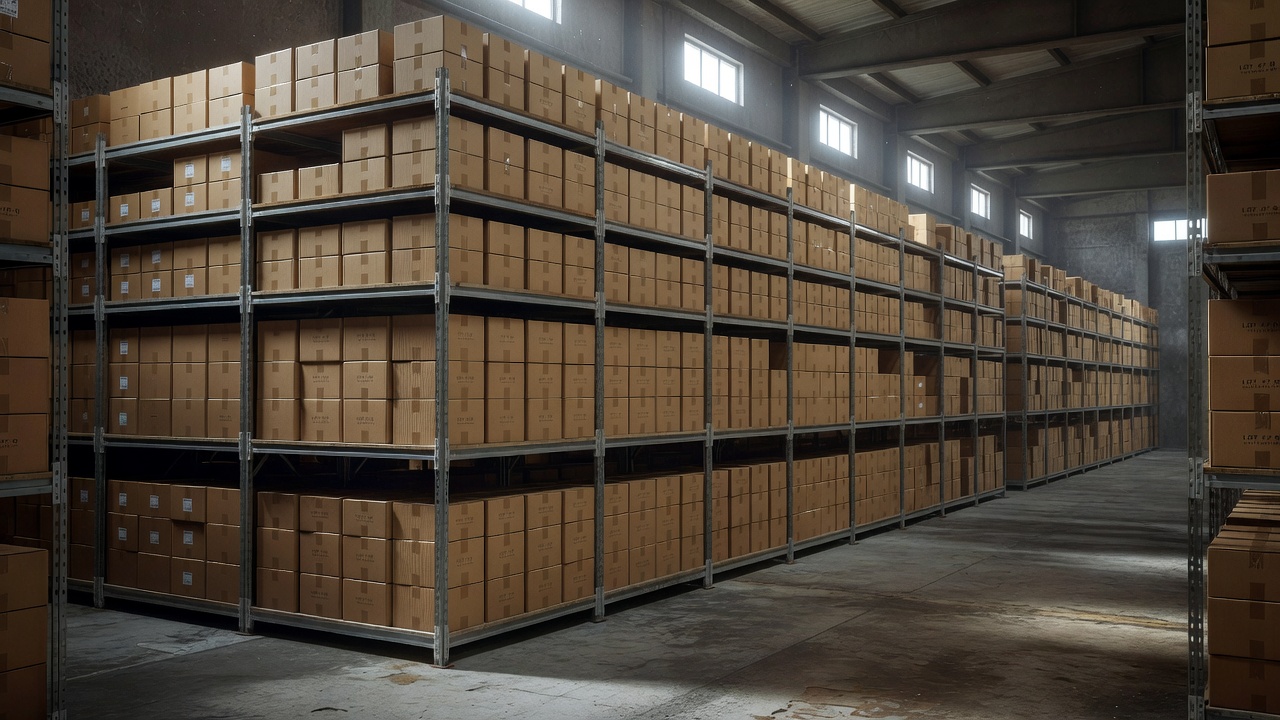
Apple just broke its own religion. For two decades, Tim Cook built the world's most ruthless just-in-time machine — inventory as sin, flexibility as scripture. Now the company sits on $11.1 billion of stockpiled parts, nearly double what it held last September. That number isn't a footnote. It's a confession. The supply chain has seized up so badly that the architect of lean manufacturing chose hoarding over faith.
The culprit has a name: RAMageddon. Cook calls it a "hundred-year flood" in memory pricing. That's not hyperbole. The generative AI boom has vacuumed up advanced memory nodes — the exact nodes Apple's A-Series and M-Series silicon depend on. Apple designed its own chips to escape merchant silicon. Instead, it shackled itself to the scarcest substrate on the planet. Vertical integration only works when you control the bottom of the stack. Apple doesn't.
Cook's language on the earnings call was uncharacteristically raw. "Very significant constraints." "Limited flexibility to remedy it." "Scrambling on the supply side." This from a man who measures his public utterances in basis points. The translation: Apple cannot buy its way out. It can only wait, pay, and ration.
The first prices have already moved. Macs and iPads ticked up last month. Cook used the word "reluctantly" — a tell. Reluctance implies inevitability. Meta, Samsung, Microsoft, and Sony have all raised hardware prices. The industry is passing the memory tax to consumers. Apple will not be the exception.
Yet the June quarter was, by Apple's accounting, its "strongest ever." iPhone sales up 22%. Mac up 29%. Services humming. The machine still prints money. But the forward view cracked the glass. Guidance of 9-11% year-over-year growth versus the 16% rhythm investors priced in. The stock shed 6% after hours. The market understands: the easy growth is behind them. The hard constraints are ahead.
John Ternus takes the CEO chair in September. He inherits a supply chain that Cook himself admits has "less flexibility." He inherits a silicon strategy that consumes the world's tightest memory. He inherits a pricing power that remains formidable but is now visibly bounded. The Apple bull case always rested on control — control of hardware, software, services, supply. Two of those four just wobbled.
Cook's legacy is the most efficient supply chain in history. His epitaph may be the moment it proved brittle. The inventory pile is a hedge against a storm the company helped summon. Every AI server farm bidding for HBM3E is a bid against the next iPhone. Apple didn't start this fire. But it built its house in the woods.