Key Takeaways
- Screen Burn physically destroyed vintage televisions with magnets to generate the CRTV's static, then fed that footage back into the game
- The CRTV replaces Silent Hill's iconic radio as both threat detector and puzzle solver, but its analogue soul is the real story
- Konami's franchise strategy now treats psychological horror narrative as the only inviolable core, letting gameplay mutate wildly between entries
- Townfall's opening hours suggest a game hiding deeper systems beneath its retro-fetish surface
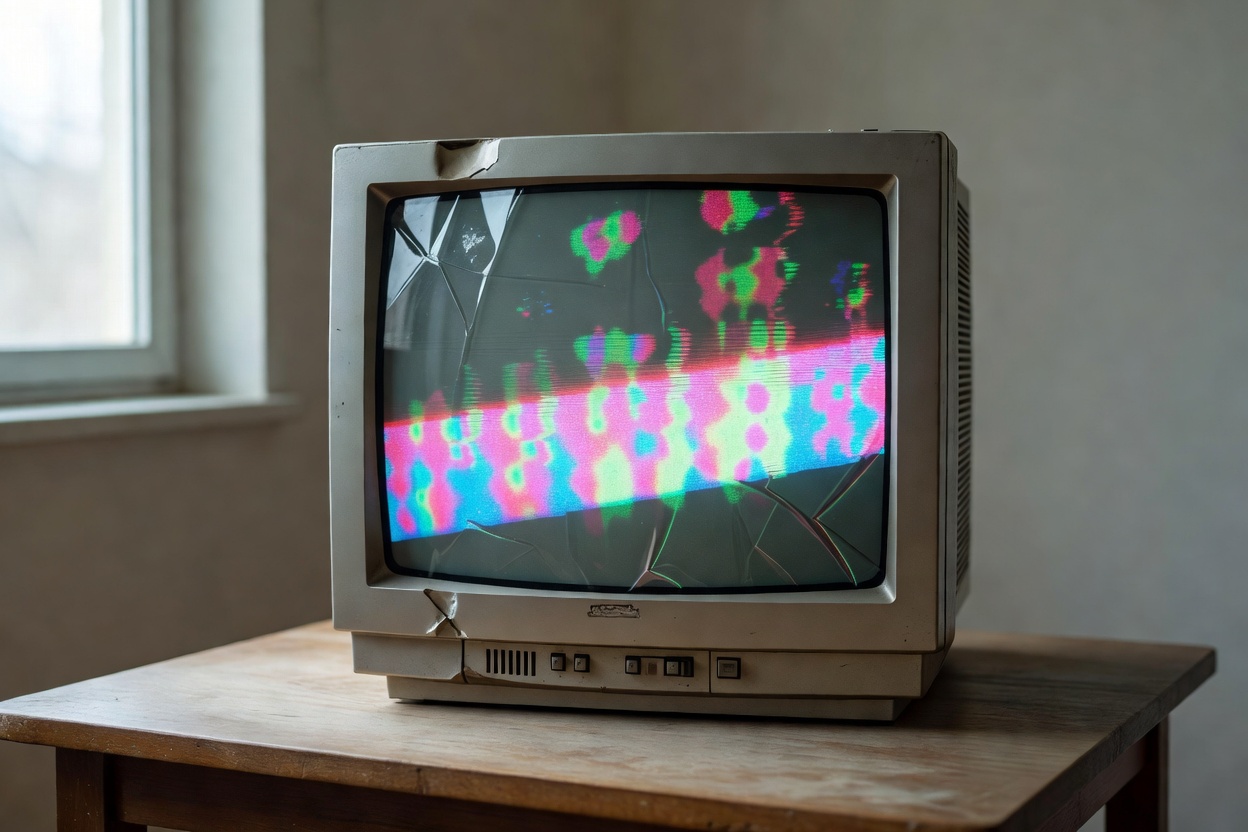
Screen Burn didn't simulate analogue decay. They manufactured it. The studio dragged gameplay footage and cutscenes out of the digital realm, routed them through dying pocket televisions and CRT sets, severed cables, hovered magnets over the signal paths, then captured the wounded output and stitched it back into Silent Hill: Townfall. The CRTV — that clunky, screen-fuzzed companion you carry through the fog — isn't styled to look broken. It is broken. The static you watch is genuine electromagnetic violence recorded in real time.
Jon McKellan, writer and director, framed the labour as narrative necessity. Hand Simon a GPS and the story collapses into modern convenience. Hand him a dog-eared map and a device that screams when monsters draw near, and the fear becomes tactile. Silent Hill's radio has always performed that function: audio radar for the unseen. Townfall's CRTV inherits the role and expands it, adding directional whispers and puzzle logic. But the expansion would ring hollow if the object itself felt like a UI widget. The magnet torture ensures it never does.
This is the rare development anecdote that explains the play experience rather than merely decorating the press kit. When the CRTV flickers in your hands, you are watching the ghost of a 1990s Trinitron gasping its last coherent frames. The fuzz has provenance. The scan lines have weight. Most horror games paste a VHS filter over a clean render and call it atmosphere. Screen Burn went analogue at the source, accepting the unpredictability of damaged hardware as a design constraint. That acceptance bleeds into the puzzle design itself — solutions that demand you read the noise, not just the signal.
Konami's broader Silent Hill resurrection operates on a parallel philosophy. Motoi Okamoto, series producer, declared psychological horror narrative the single immovable pillar. Everything else — perspective, mechanics, structure — floats free. The 2022 announcement salvo proved it: a third-person remake, a first-person Japanese entry, Townfall's experimental hybrid, a movie, a cryptic short. Each title mutates the gameplay grammar while swearing fealty to the same thematic core. Okamoto's "liberal and experimental" mandate is the only way a franchise this old survives without curdling into heritage tourism.
Townfall arrives 24 September on PC and PS5. Five hours in, the CRTV's physicality dominates the sensory register. The device hums. Its screen breathes. You find yourself tilting the controller to catch a clearer angle on the static, as if the magnet damage might respond to posture. That illusion — that the game hardware is reacting to your body — is the exact trick Screen Burn engineered. They didn't code a shader. They broke televisions until the breakage looked like meaning.
Whether the deeper systems hinted at in those opening hours justify the labour remains unverified. The preview builds suggest a game layering meta-puzzles beneath its surface traversal, but five hours cannot confirm payoff. What is confirmed: a studio willing to vandalise vintage electronics for the sake of a single in-game object's truth. That stubbornness is the most Silent Hill thing about Townfall. The franchise has always understood that horror lives in the gap between technology and flesh. Screen Burn just widened the gap with magnets and called it design.