Valve's Steam Machine Is a $1,000 Answer to a Question Nobody Asked
There is a particular kind of frustration that comes from watching a company with infinite resources and zero oversight trip over its own shoelaces in public. Valve has done it before. They're doing it again. And this time, Shuhei Yoshida — a man who spent decades greenlighting the games that defined PlayStation — just called it "meh" on the internet for everyone to see.
That word carries weight coming from him. Yoshida doesn't traffic in hot takes. He built the Worldwide Studios machine that gave us God of War, Horizon, Ghost of Tsushima. He championed indies before it was a corporate mandate. When he retired and started posting casual industry observations on X, it felt like a victory lap. But his Steam Machine thread reads less like a victory lap and more like an exit interview.
The Ghost of 2015 Haunts This Box
Let's not pretend this is Valve's first rodeo. The original Steam Machines launched in 2015 to a chorus of indifference. They were too expensive, too fragmented, too early. Valve handed the hardware problem to OEMs who had no incentive to solve it, loaded them with a Linux distro that couldn't run half the library, and expected the market to sort itself out. The market responded by ignoring them entirely.
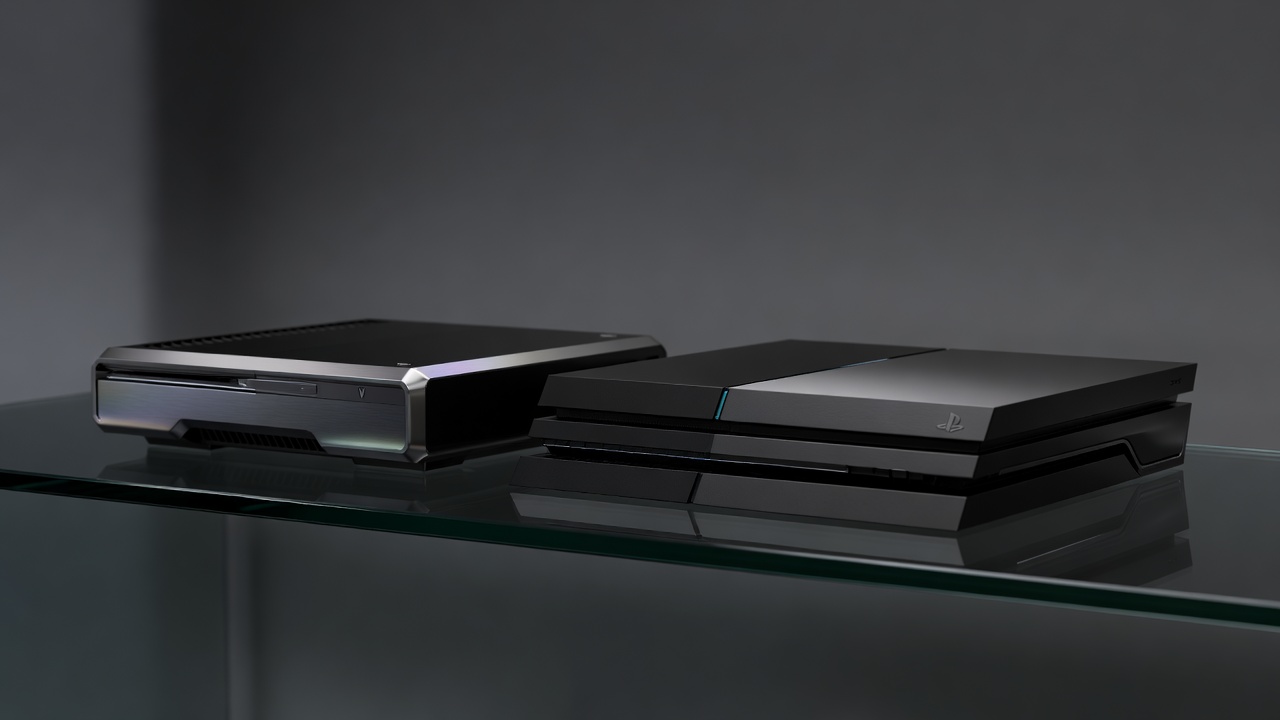
Nearly a decade later, the Steam Deck proved Valve can* do hardware when they control the whole stack. It's a masterpiece of constraints — 800p, 40W, a form factor that forces developers to optimize. The Steam Machine, by contrast, feels like Valve forgot every lesson the Deck taught them. It's a mini PC priced like a premium console with the graphical throughput of a midrange laptop from two years ago. Yoshida's "am I going back to PS4 days?" jab isn't just a burn. It's an architectural indictment.
The Price-Performance Comedy
Our own testing tells the same story. The Atomman G1 Pro — a generic mini PC you've never heard of — handily outperforms Valve's box at a lower price point. Ray tracing performance is reportedly abysmal. Boot times are comically long. For a device supposedly built around "it just works" console convenience, making users stare at a loading screen while an RDNA 3 GPU struggles to initialize is a categorical failure of UX.
And the price. Yoshida calls it "very unfriendly." That's diplomatic. At roughly $1,000, the Steam Machine sits in a no-man's-land: too expensive for the living room casuals Valve claims to want, too weak for the enthusiasts who'd actually buy a Valve-branded PC. You can build a superior small-form-factor rig for $700. You can buy a PS5 Slim and a Switch OLED for the same money and have two actual consoles with exclusive libraries. The value proposition doesn't exist.
SteamOS Deserves Better Hardware
Here's the maddening part: Yoshida likes the software. He praises SteamOS's UI, the controller wake-up feature, the boot videos, the faceplate swap. He's right to. SteamOS is genuinely excellent — a console-like overlay that never hides the PC underneath. It's the best argument for Linux gaming that exists. But it's shackled to hardware that can't justify its own bill of materials.
The controller criticism tracks too. Touchpads that are "too touchy" and sticks "looser than he'd like" from a man who oversaw the DualSense's development? That's not bias. That's a quality control failure. Valve's original Steam Controller had a learning curve but rewarded investment. This one sounds like it just… lacks polish. The Deck's controls are superb. There's no reason this regression should exist.
The "Reason Enough" Trap
Yoshida's final verdict — "It allows me to play Steam games on my living room TV, which is a reason enough to keep it" — is the most damning praise imaginable. It reduces a $1,000 device to a single-use HDMI dongle with a fan. That's not a product strategy. That's a niche accessory for people with more money than sense.
And look, I get the appeal. I've got a gaming PC tethered to my TV via Steam Link. It's great. But I didn't pay a thousand dollars for a bespoke box that underperforms a $400 graphics card to do it. The living room PC dream is real. Valve just keeps building the wrong altar for it.
Where Does This Go?
Yoshida admits he's only had a few hours. Fair. But first impressions in hardware are rarely wrong in the ways that matter. The silicon is what it is. The price is what it is. The boot times won't magically halve via firmware. Valve can iterate on SteamOS — and they will, because that team is brilliant — but they can't iterate their way out of a BOM decision made twelve months ago.
The tragedy is that Valve could own this space. A Steam Deck docked mode with eGPU support. A first-party "Steam Console" at $499 that targets 1440p/60 with FSR 3. A reference design they actually manufacture themselves. Instead we get a premium-priced mini PC that benchmarks behind generic AliExpress specials, blessed by the Steam logo and not much else.
Yoshida's "meh" isn't a review. It's a eulogy for a product category Valve keeps refusing to take seriously. The Deck proved they're capable of brilliance. The Steam Machine proves they're capable of hubris. The gap between them is where the living room PC market dies — again — waiting for someone to build the right box.