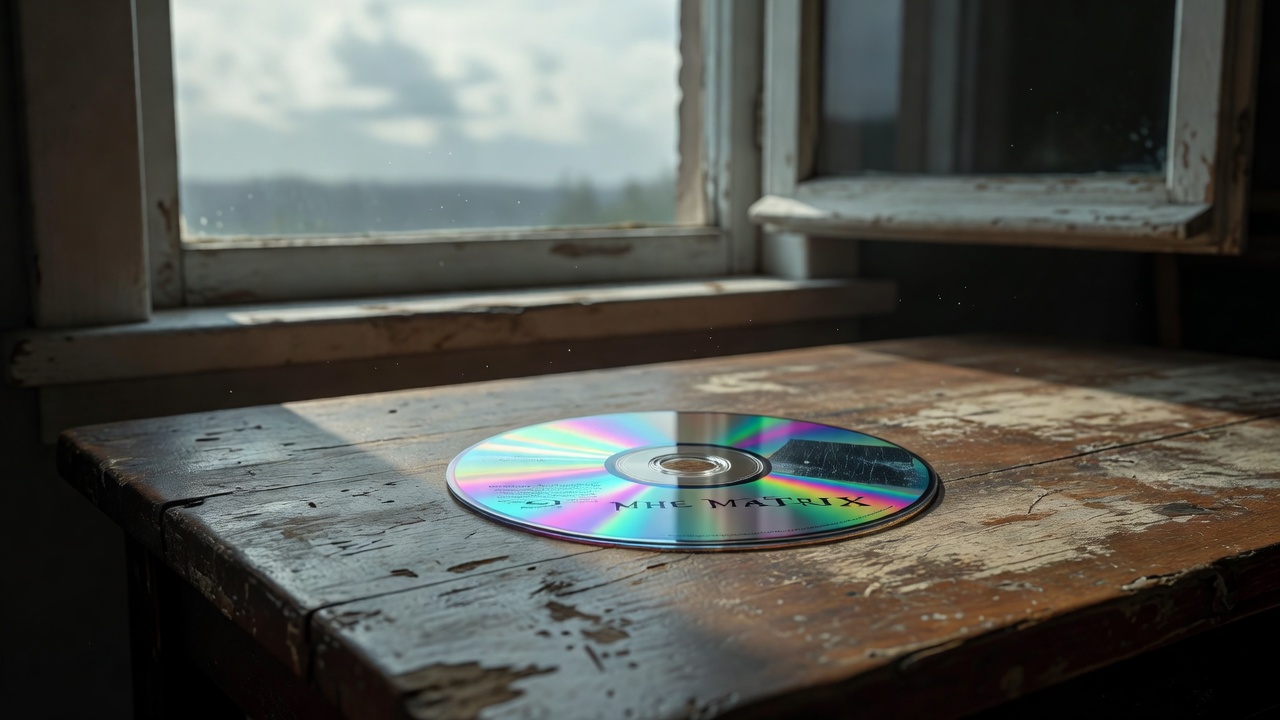
Hideo Kojima Warns of 'Frightening' Digital Future After PlayStation Reveals Plan to End Physical Disc Production
Digital Frontier EditorialJuly 5, 20264 min read
Key Takeaways
Hideo Kojima calls the end of physical media "frightening" and "really sad" following Sony's 2028 deadline to stop PlayStation disc production
Kojima distinguishes between downloaded games (data stays on your hardware) and streaming (you only rent access via corporate servers)
Rockstar's GTA 6 physical edition ships with no disc — just a download code — signaling where the industry is headed
Sony recently confirmed digital movie purchasers will lose access to 550+ films they already "owned," proving Kojima's warning was prescient
Hideo Kojima doesn't mince words. The creator of Metal Gear Solid and Death Stranding stood at a film festival in Rome last week and called the digital future "frightening." He said it with the weight of someone who has spent four decades watching the industry rewrite its own rules — and rarely in the player's favor.
Sony made it official days earlier: PlayStation disc production ends January 2028. No fanfare. No transition plan. Just a deadline. Kojima didn't name the company. He didn't need to. "Since production is ending in 2028, this is about video games, but I grew up with physical media, so I find it really sad," he said. "Currently, I've been buying up a lot of Blu-rays, such as various movies, and CDs too."
He's stockpiling. That should tell you everything.
Three years ago, Kojima warned that individuals would soon lose free access to the movies, books, and music they loved. The industry laughed. Then Sony told digital movie buyers they'd lose 550 films they'd already paid for. The laughter stopped.
Kojima draws a line that most executives blur. Downloaded games live on your hard drive. You hold the bits. Streaming is different — you hold a permission slip. "With streaming subscription services, like Netflix or Amazon, there is a server somewhere, and you essentially just have the right to turn the tap, and when you do, the data flows out," he said. "That's how movies work on these platforms, right? You don't download the data, you access it directly through a subscription. And the consequence of that is that you don't actually possess the data yourself."
Possession. That's the word the industry has spent fifteen years erasing from its vocabulary.
Rockstar just proved the point. Grand Theft Auto 6's physical edition ships in a box with no disc inside. A download code. Cardboard wrapping a license. That's not physical media. That's a receipt printed on plastic.
The PS6 looms. Project Helix looms. Every signal points to a console generation built around streaming, subscriptions, and server-side control. Sony won't U-turn. They've already calculated the math: recurring revenue beats one-time sales. Control beats convenience. The disc plant closes because the business model demands it.
Kojima sees the trap. "There are companies that own these servers and let you" — the sentence cuts off in the reporting, but the meaning lands. They let you. Permission. Revocable. Conditional. Temporary.
This isn't nostalgia. Nostalgia is fondness for the past. This is pattern recognition. Every medium that shifted to streaming — music, film, television — consolidated power in the hands of platform holders. Prices rose. Libraries shrank. Content vanished overnight over licensing disputes. Games will follow the same script because the incentives are identical.
The counterargument writes itself: convenience, accessibility, lower upfront cost. But convenience is a drug. The first hit is free. The second costs a subscription. The third costs your library when the servers shut down.
Preservation dies first. The Internet Archive fights for games. Publishers fight back. When the only legal way to play a 2025 release in 2045 is a subscription that no longer exists, the work disappears. Art becomes evidence of a transaction that expired.
Kojima buys Blu-rays and CDs in 2024. The most technologically forward creator in the medium hoards physical discs like ammunition. He knows the servers will win. He knows the taps will close. He's building a bunker.
Players deserve better than bunkers. They deserve ownership — the right to play what they paid for, when they want, without asking permission. The disc was never perfect. Scratches. Bit rot. Drive failures. But a scratched disc fails on your terms. A revoked license fails on theirs.
The industry has mistaken "digital" for "inevitable." It's not. It's a choice. A profitable one. A controllable one. Kojima's warning isn't prophecy. It's an invoice for a debt the industry hasn't paid yet — and players will.
The tap turns off. The question is whether anyone remembers how to turn it back on.