Key Takeaways
- Cliff Bleszinski admits the Gears of War trilogy was "largely developed hungover" during his 25-year spiral
- A March seizure forced the confrontation he'd avoided; four months sober now
- LawBreakers died because its creator was drowning, not because the market shifted
- He's eyeing a return but swears off PvP entirely — "Good luck to anyone in that space"
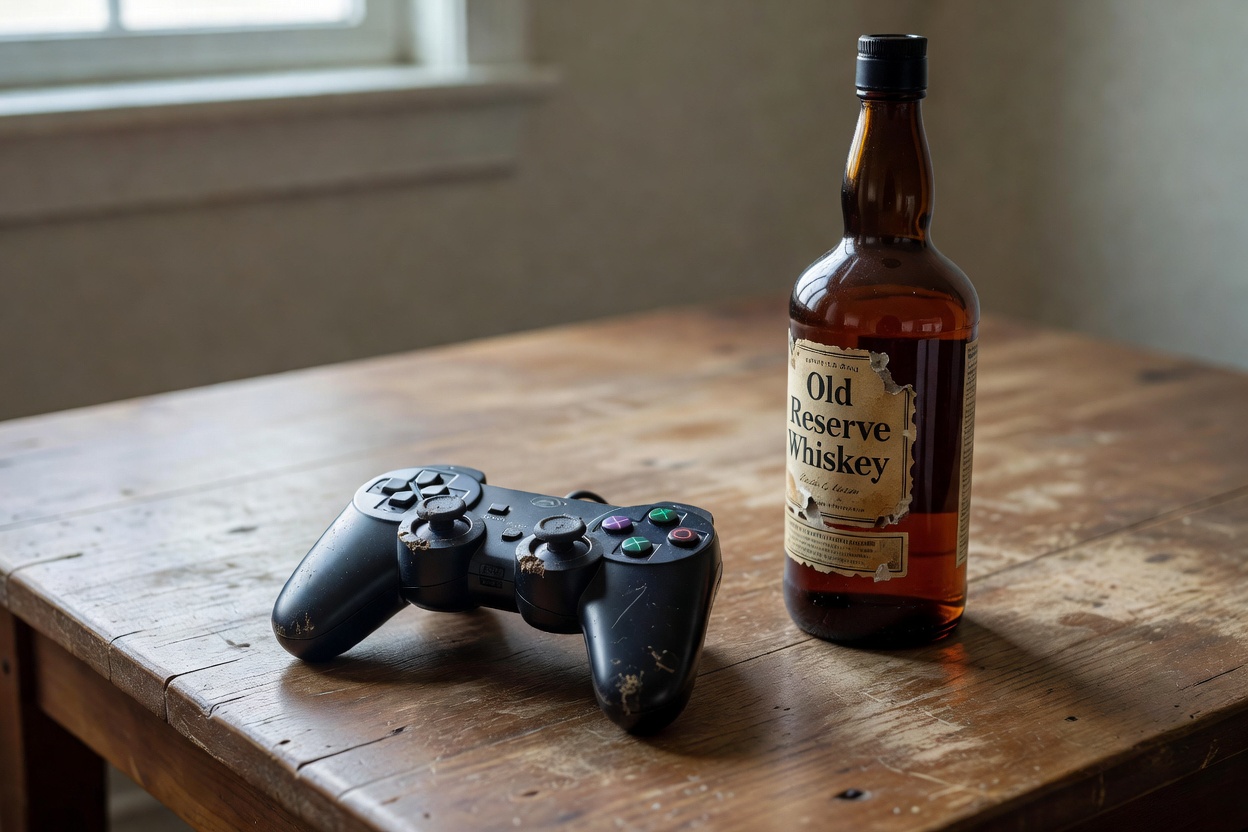
Cliff Bleszinski built monsters. The Locust Horde. The Lambent. The very architecture of cover-based combat that defined a console generation. He did it with a vodka tonic in hand, night after night, convention after convention, the industry's open secret pouring itself into hotel lobby bars while executives mistook his tolerance for stamina. "My tolerance was so high that other developers would have a few and I would get all of this confidential information and remember it," he told 80 Level. "It was almost like my superpower for a while." That sentence should chill anyone who ever celebrated the crunch culture he embodied.
The methanol superpower collapsed in March. A seizure. A hospital bed. The body issuing its final invoice after a quarter-century of deferred payment. Bleszinski is 51 now, four months dry, sitting with a therapist instead of a publisher. He owns the wreckage of Boss Key Productions outright — "mostly to blame," he says, and the qualifier "mostly" feels like the last reflex of a man who spent decades deflecting. He refused to co-found the studio with Rod Fergusson because ego demanded sole authorship. He greenlit LawBreakers, a hero shooter entering a trench war already won by Overwatch, then watched it evaporate. "LawBreakers tripped so Concord could faceplant" is the kind of gallows humor that only survives when the hangman has already left the room.
Radical Heights never launched. The studio evaporated. The dog died. The interview reads like a man excavating his own foundation, cataloging every rotten beam. He traces the rot to 2003, Unreal Tournament, the first sip that became a regimen. Functioning alcoholic. Non-functioning alcoholic. The distinction matters less than the timeline: Gears of War 1, 2, 3 — all of it built through a fog the industry called "passion" or "drive" or "vision" because those words sell better than "addiction." We knew. We watched. We published the press shots of him holding court at GDC with a rocks glass and called it access journalism.
Now he floats a return. No PvP. That much is clear. The competitive space chewed him once; he won't feed it a second helping. But what does a sober Bleszinski build? The designer who weaponized masculine panic into cover mechanics, who turned the horror of exposure into a gameplay loop copied by a hundred imitators — that man knew pressure viscerally. He knew the flinch. If he channels the clarity he's bought at terrible price, the next thing could matter. If he treats sobriety as another launch window to optimize, it will vanish like LawBreakers.
The industry loves redemption arcs. It loves them because they're safe narratives that erase structural questions. Why did Epic's culture normalize the three-night bender? Why did publishers sign checks for a studio whose founder was visibly unraveling? Why did the press — this publication included — treat the party circuit as access rather than alarm? Bleszinski's honesty is rare. The system that enabled him remains unchanged. Four months is not a career. It's a dawn. Watch what he builds next. Watch whether the industry around him has learned anything at all.