Key Takeaways
- NHTSA just handed Zoox the first commercial exemption for a purpose-built robotaxi, letting it charge fares without steering wheels or pedals
- The exemption is capped at 2,500 vehicles annually for two years under "enhanced, adaptable oversight" that can tighten as technology evolves
- Las Vegas gets paid rides first; California still blocks commercialization pending state permits
- NHTSA simultaneously rewrote its own exemption rules and funded a $5 million standards consortium — admitting the current framework is provisional
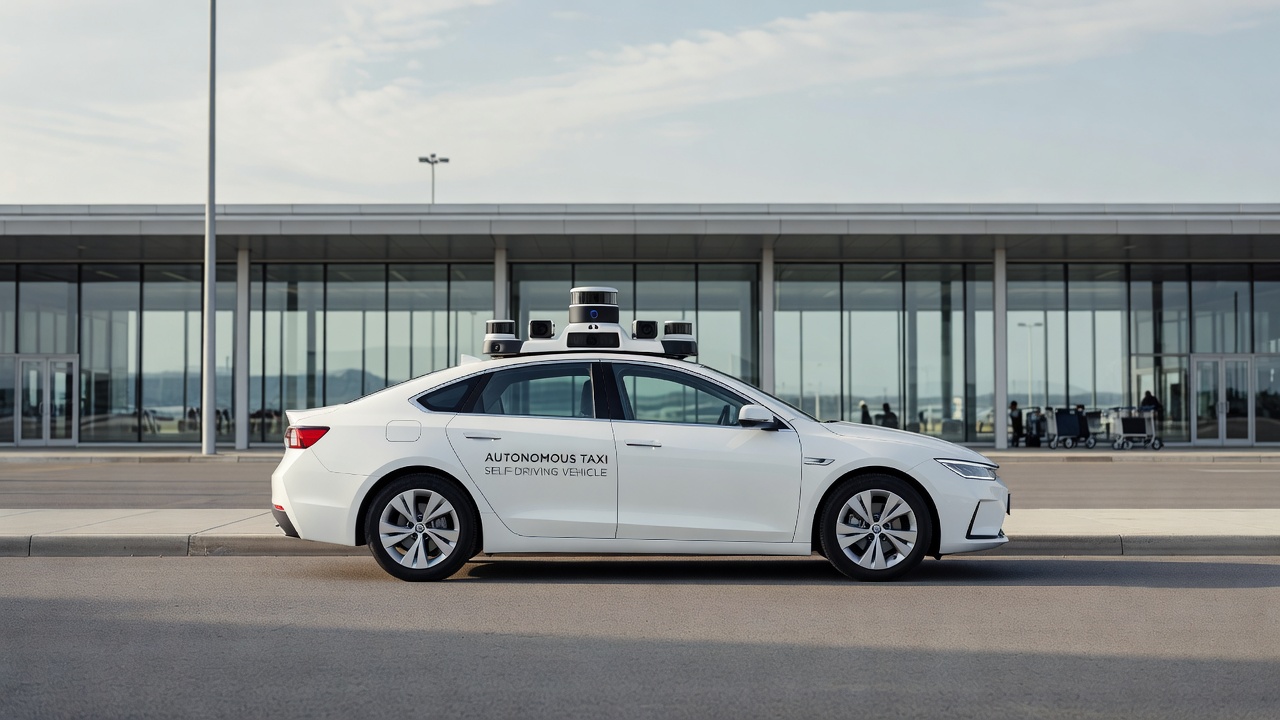
Amazon's Zoox can finally ask for money. That is the headline, stripped of regulatory euphemism. After years of free rides in San Francisco and Las Vegas, the National Highway Traffic Safety Administration has blessed a vehicle that lacks every control a human driver would need — no wheel, no pedals, no defroster mandate, no legacy braking architecture — and said: go sell tickets.
The exemption covers eight federal standards. It expires in two years. It caps the commercial fleet at 2,500 vehicles per year. And it arrives wrapped in language that should make any serious observer pause: "enhanced, adaptable oversight structure that can evolve as Zoox's technology advances." Translation: we are writing the rules as you drive them.
This is not a green light. It is a yellow one with a timer.
Zoox will launch paid service in Las Vegas first. Nevada's regulatory climate has always been friendlier than California's, where the company is headquartered, tests daily, and still cannot charge a dollar. The California Public Utilities Commission and the Department of Motor Vehicles have not issued driverless deployment permits. They may not for months. The gap between federal permission and state reality just widened.
Aicha Evans called the day an important milestone. She would. The CEO of an Amazon subsidiary that has burned billions on autonomy has every reason to frame a capped, temporary exemption as historic. The press release reached for "first-ever commercial exemption for a purpose-built robotaxi." Accurate. Also revealing. The qualifier "purpose-built" does heavy lifting — it distinguishes Zoox from retrofitted fleets like Waymo's Jaguars or Cruise's Bolts, but it also narrows the precedent. This exemption bespeaks a bespoke vehicle, not a platform.
NHTSA knows it. The same Thursday, the agency published a rewrite of its exemption process to let automakers temporarily sell limited numbers of non-compliant vehicles "primarily to test new technologies." That is an admission: the current Federal Motor Vehicle Safety Standards were not written for robotaxis. They were written for cars with drivers. The exemption mechanism is now the primary regulatory pathway for an entire industry. That should unsettle anyone who thinks safety standards are settled law.
The agency also announced a three-year, $5 million consortium with SAE Industry Technologies Consortia to "accelerate creation of AV performance standards" and "create a single national standard for AV safety." Five million dollars over three years is a rounding error in this sector. It signals ambition, not capacity. The standards vacuum remains. Until it is filled, every exemption is an experiment on public roads.
Zoox's custom vehicle — internally called the "robotaxi," externally a marvel of sensor fusion and redundant compute — has never been crash-tested under the very standards it is now exempted from. The agency argues the exemption includes "equivalent safety" provisions. But equivalence is a judgment call, not a test result. The oversight structure is "adaptable" because the data does not yet exist to make it fixed.
Two thousand five hundred vehicles sounds like a lot. It is not. Waymo runs thousands of paid rides weekly in Phoenix and San Francisco alone. Zoox's cap is a sandbox, not a market. The two-year clock starts now. In 2027, the exemption lapses unless NHTSA renews, expands, or replaces it with a permanent rulemaking that does not exist.
The company says additional markets will follow as state requirements are met. Each state is its own negotiation. Texas and Arizona have signaled openness. New York and Massachusetts have not. The patchwork that plagued early AV deployment persists. Federal exemption does not preempt state authority over commercial operations. Zoox just traded one gatekeeper for fifty.
Amazon's patience is the strategic variable here. The parent company can fund Zoox indefinitely. It can also decide the sandbox is too small and pull resources. The exemption buys time — two years of revenue, real-world data, political momentum. It does not buy certainty.
The broader signal: NHTSA is building the airplane while flying it. The exemption rewrite, the standards consortium, the Zoox approval — all landed same day. That coordination suggests a department finally treating autonomy as a portfolio, not a case study. But it also concentrates immense discretion in an agency that has historically moved at the speed of rulemaking dockets.
Zoox will charge fares in Las Vegas within weeks. The rides will be smooth. The vehicles will be clean. The safety record will likely hold. And in two years, the industry will face the same question it faces today: what happens when the exemptions expire and the standards still don't exist?
That is the story. Not the launch. The deadline.