Key Takeaways
- Fast Metals turns two alumina refinery waste streams into a single extraction process for critical minerals
- Iron oxide pays operating costs while titanium and scandium deliver the margins
- $4.3 million pre-seed backed by Rio Tinto's accelerator signals industry validation
- One-ton-per-week pilot with Metalox launches this year — the real test begins now
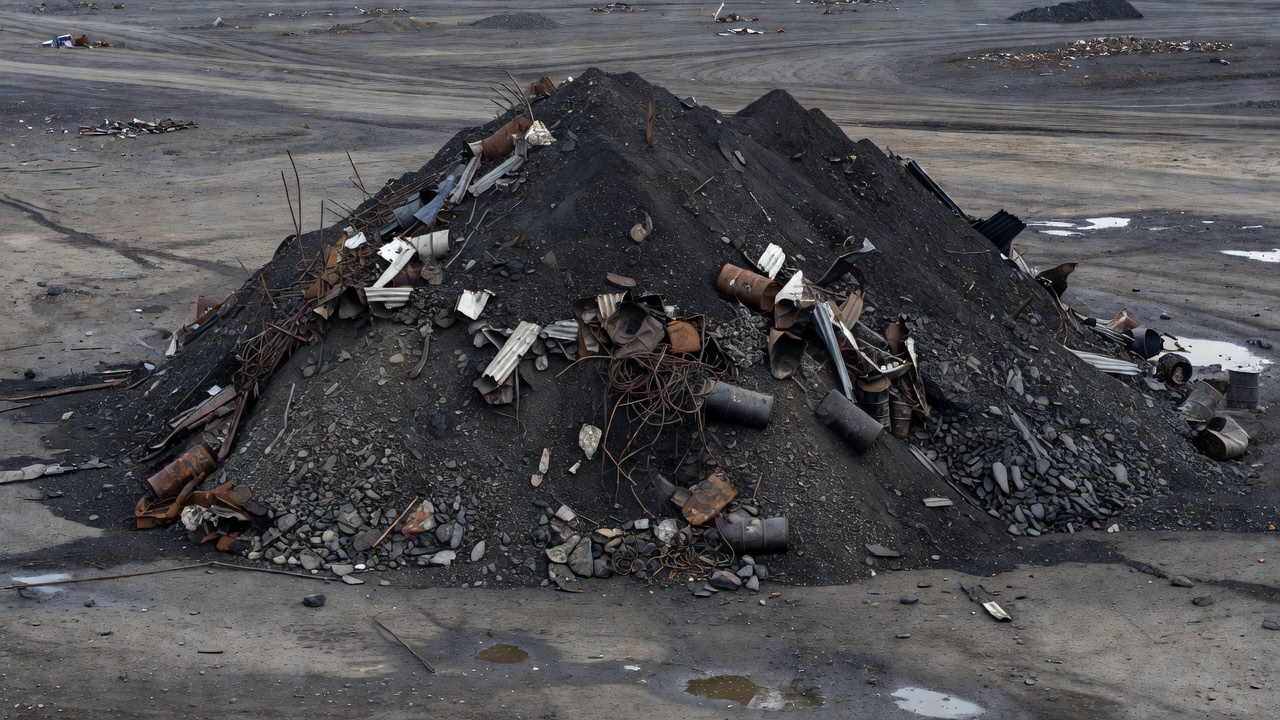
Three billion tons of red mud sit in open ponds and mounds across the planet. The industry calls it waste. Sumedh Gostu calls it a balance sheet waiting to be read.
The vermillion sludge is mostly iron oxide — rust, essentially. But laced through it are titanium, aluminum, scandium, rare earths. Minerals the energy transition cannot live without. For decades the economics failed. Separation costs exceeded recovery value. The ponds kept growing.
Gostu attacked the problem during his doctorate at Colorado School of Mines. He built a six-step chemical cascade. Different minerals precipitate at different stages. Each becomes a product stream. The chemistry worked on paper. Then it hit the wall every lab-to-market story hits: operating expense.
The breakthrough came in a conversation with co-founder Anthony Staley. Another waste stream from the same alumina refineries — spent acid, essentially — could replace expensive reagents. Two waste streams. One process. The economics flipped.
"Iron pays for the opex, and the other stuff is profit," Gostu says. The math is brutal in its simplicity. Titanium dioxide sells at $2.50 to $3 per kilogram. Scandium oxide fetches $750. The iron powder moves at commodity prices but moves in volume. The margin stack is real.
Rio Tinto's Founders Factory didn't join a $4.3 million pre-seed for publicity. The mining giant knows its own waste liabilities. Azolla Ventures and New Climate Ventures know the critical mineral supply chain is brittle. This round is strategic positioning disguised as venture capital.
Skepticism has earned its seat at the table. Lab-scale chemistry and plant-scale engineering are different kingdoms. Impurities behave differently at tonnage. Flow rates change reaction kinetics. The Metalox contract — one ton per week later this year — is the first honest test. One ton weekly is 52 tons annually. The ponds hold billions. Scale is a cliff, not a ladder.
But the circular logic is compelling. Alumina refineries pay to store red mud. They pay to neutralize spent acid. Fast Metals offers to take both and return saleable minerals. The refinery saves disposal cost and gains revenue. The startup gets free feedstock. The minerals enter markets currently dominated by China. Everyone's incentive aligns — a rare geometry in cleantech.
Gostu's phrasing — "attack with the right chemistry" — reveals the mindset. This isn't remediation. It's mining. The ore body is already excavated, crushed, and concentrated by the Bayer process. The energy to create it is sunk cost. Fast Metals just harvests what the first pass left behind.
The environmental ledger is messy. The process consumes chemicals and energy. Tailings remain. But the alternative is perpetual storage of caustic sludge with leaching risk. Perfect is the enemy of better. Better is revenue from liabilities.
One ton per week. That's the metric that matters now. Not the $4.3 million. Not the investor logos. Not the titanium price deck. If the pilot delivers consistent recovery rates at that cadence, the ponds become assets. If it doesn't, the chemistry stays in the lab where it belongs.
The industry has watched waste-to-resource plays fail before. Rare earth recycling from magnets. Lithium from brine. Cobalt from slag. Technical success. Economic failure. Fast Metals' dual-waste feedstock is its structural advantage. The refinery pays twice to make the problem. Fast Metals gets paid once to solve it.
That's the bet. The Metalox pilot starts this year. The ponds aren't going anywhere.