Key Takeaways
- The Polaroid Go 2 bundle at $72 is the cheapest we've seen, undercutting the camera-only price by four dollars
- Tiny 54x67mm film format costs more per square inch than classic Polaroid, locking buyers into a pricier ecosystem
- USB-C charging and 15-pack battery life solve the original Go's worst flaw
- Nostalgia tax is real — you're paying premium prices for smaller, lower-fidelity images
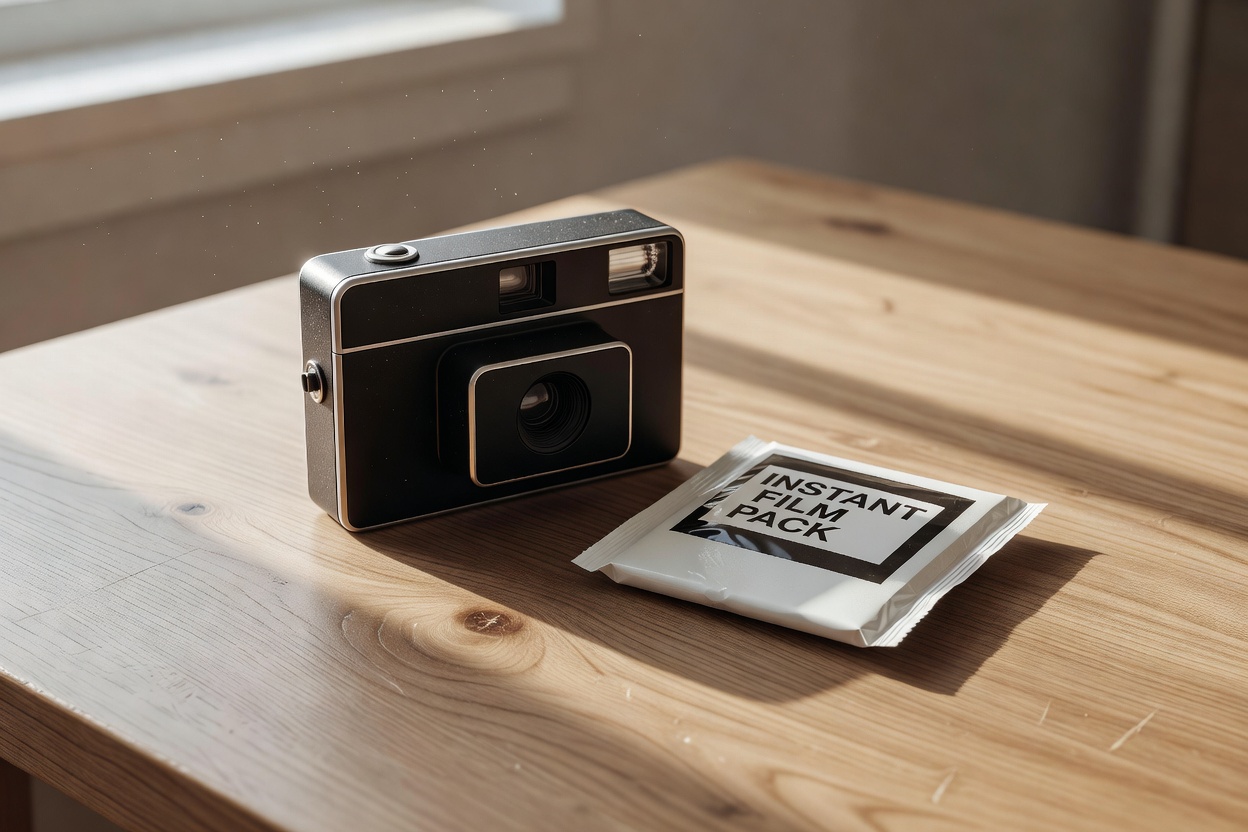
Amazon has the second-generation Polaroid Go bundled with a 16-exposure film pack for $71.99. That's $38 off the listed bundle price and, more tellingly, four dollars less than the camera alone. Retail logic rarely makes this kind of sense. The message is clear: Polaroid needs to move Go 2 units, and it's willing to subsidize your first pack of film to get the razor in your hand.
The Go 2 shoots on film that measures 53.9mm by 66.6mm. Classic Polaroid frames measure 88mm by 107mm. Do the math. The Go format delivers roughly 36 percent of the image area at a film cost that doesn't scale proportionally. A twin pack of Go film runs $21.99 for 16 shots. Classic i-Type film delivers 16 exposures for roughly the same money but with nearly triple the negative real estate. You're paying a steep premium for pocketability.
That premium buys you a camera that fits in a shirt pocket. The original Go felt like a prototype — micro-USB charging, finicky battery life, a shutter button that demanded deliberate pressure. The Go 2 fixes the charging port. USB-C is standard now, and the battery claims 15 packs per charge. If that holds in real use, it eliminates the anxiety of a dead camera at a wedding or a weekend trip. The self-timer and double-exposure modes carry over. They're gimmicks, but harmless ones.
The image quality hasn't improved. It can't. The optics are fixed, the film chemistry is fixed, the format is fixed. You get soft corners, unpredictable contrast, and a color palette that leans warm when it feels like it. That's the product. The charm is the variance. But charm doesn't scale. The tenth photo of your cat developing in your palm feels magical. The fiftieth feels expensive.
Polaroid's strategy is obvious. The Go format creates a closed loop. You can't adapt classic 600 film. You can't use Instax Mini. You buy Go film or the camera becomes desk sculpture. At $1.37 per shot, a heavy shooter spends $100 on film before the novelty wears off. That's the business model: sell the handle cheap, meter the blade.
The bundle price makes the math work for a trial run. Seventy-two dollars gets you the camera and 16 exposures. That's a night out, a birthday, a weekend with friends. If you walk away after one pack, you paid $72 for a memorable experiment. If you stay, you're subsidizing Polaroid's margins on every subsequent pack.
Smartphone cameras didn't kill instant photography. They clarified it. Nobody needs instant film for documentation. They need it for artifact. The Go 2 makes smaller artifacts. Whether that's a feature or a compromise depends on your wallet and your bulletin board space.
The deal is real. The camera is improved. The format is restrictive. Buy the bundle if you want to test the habit. Just know the habit has recurring costs that the format change quietly inflated.