Key Takeaways
- OpenAI's ChatGPT speaker will cost $300-$400 — double the premium Echo
- The device has moving parts, a donut shape, and Jony Ive's fingerprints
- Release slips to 2027 while Apple sues OpenAI for trade-secret theft
- Smart speakers have never been profitable; OpenAI ignores that history
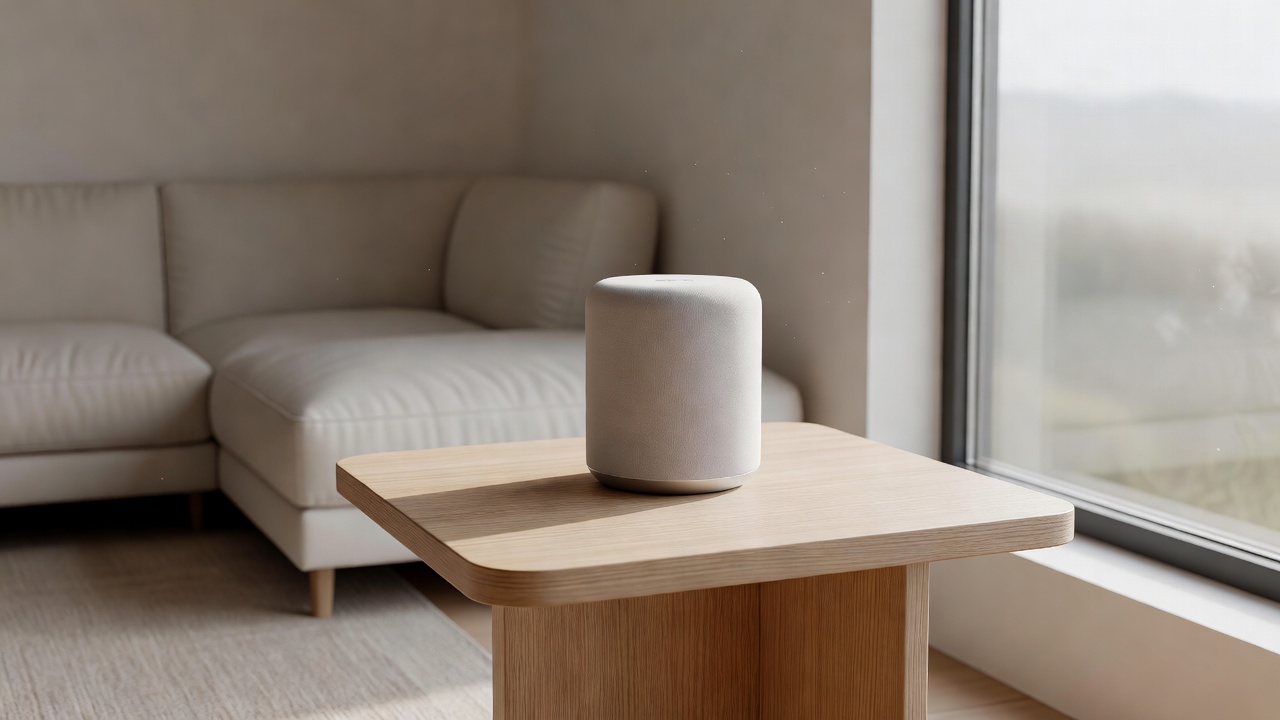
OpenAI is building a $400 donut that talks back. Bloomberg reports the ChatGPT speaker will carry a price tag between $300 and $400, putting it at nearly twice the cost of Amazon's most expensive Echo. That price alone should make investors nervous. Smart speakers have burned money for a decade. Amazon loses billions on Alexa. Google subsidizes Nest with search profits. Apple's HomePod barely registers. OpenAI thinks it can succeed where giants failed because its assistant actually thinks. That is a bet on intelligence as a luxury good.
The device itself sounds like a fever dream. Donut-shaped. High-quality metal. Moving parts. Moving parts on a stationary speaker. Engineers do not add mechanical complexity for delight. They add it because the thermal solution demands it, or because the microphone array must physically reorient, or because Jony Ive's studio, LoveFrom, convinced someone that kinetic sculpture signals premium. Ive left Apple to escape exactly this kind of indulgence. Now he has designed a speaker that may literally breathe. The moving parts detail mystifies Bloomberg's sources. It should mystify OpenAI's board.
The timeline reveals the real story. 2027. That is three years away. Three years in AI is three geological eras. By 2027, ChatGPT will be unrecognizable. The model running on this speaker will be obsolete before the tooling finishes. OpenAI knows this. They are not building for 2027 capabilities. They are building a platform that can swallow whatever model comes next. The hardware is a moat. A beautiful, expensive, donut-shaped moat.
Apple's lawsuit shadows the whole project. Cupertino accuses OpenAI of stealing trade secrets. The timing is not coincidental. Apple sees the same future: ambient intelligence in every room. They want to own that future. They see Ive's fingerprints on OpenAI's hardware and recognize their own DNA. The lawsuit may be meritless. It may be strategic. Either way, it forces OpenAI to develop under discovery scrutiny while Apple prepares its own ambient play. HomePod with Apple Intelligence arrives sooner. It will cost less. It will work with the ecosystem people already own.
OpenAI's logic is clear. They need a direct channel to users that no platform owner can throttle. No App Store rules. No default-assistant concessions. A speaker in the bedroom creates a data stream and a habit loop that no API integration can match. But they are entering a market defined by replacement cycles, not upgrade cycles. People replace speakers when they break. They do not upgrade for smarter software. The intelligence lives in the cloud. The hardware is a microphone and a grille. Making the grille move and the metal shine does not change that economics.
The price admits the truth. At $400, this is not a mass-market device. It is a developer kit for early adopters who want to live inside the frontier. OpenAI can afford to lose money on hardware. They have Microsoft's billions and a valuation that assumes world-changing revenue. But they cannot afford to lose focus. Every engineer solving a hinge mechanism on a donut speaker is not solving reasoning, or reliability, or the thousand model problems that actually determine whether OpenAI leads or follows.
History laughs at premium ambient hardware. Facebook Portal. Amazon Astro. Google Clips. Each promised presence. Each became e-waste. The winners were cheap, disposable, and good enough. OpenAI is betting that intelligence has finally become the differentiator that justifies premium. They may be right. But they are fighting physics, economics, and Apple simultaneously. The donut had better think very fast.