Key Takeaways
- OpenAI's first hardware play is a mobile, screenless speaker with mechanical movement — not a phone, not a wearable
- The device reportedly accesses your full digital life and "proactively learns" you, positioning it as a home-resident AI companion
- Apple sued OpenAI for trade secret theft last week; the speaker's development leans heavily on ex-Apple engineers
- The category is capital-drunk: Humane raised $700M at a $6B valuation before shipping a form factor
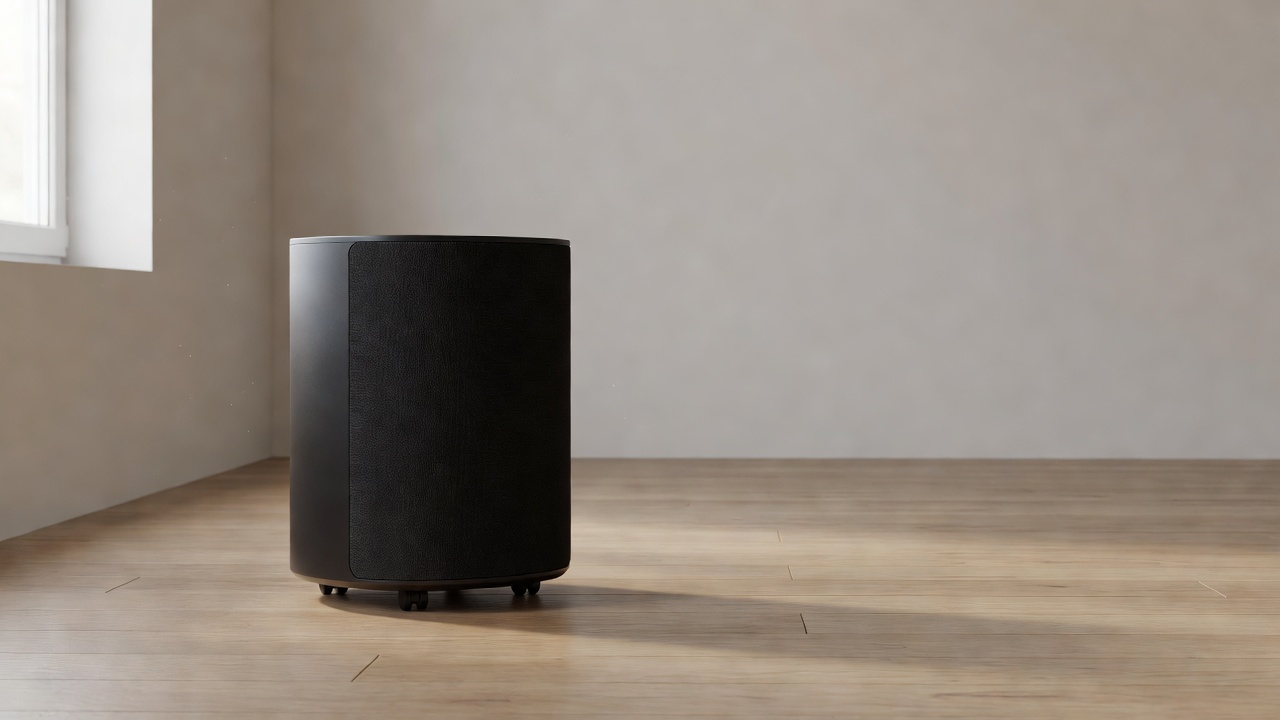
OpenAI is building a robot roommate. Bloomberg reports the company's first hardware device is a screenless speaker that moves on its own, syncs with ChatGPT, and "proactively learns" its owner by ingesting emails and other digital exhaust. Internally they call it a humanlike AI companion that lives in the home. Externally it looks like a confession: the model is not enough. The model needs a body.
The device departs from the smart speaker lineage. No screen. No wake word ritual. Mechanical elements that move independently. A personality. Sources describe it as a physical manifestation of ChatGPT — a phrase that should unsettle anyone who has watched language models hallucinate, sycophant, or leak. If the manifestation follows the model, it will apologize confidently for mistakes it denies making. It will remember your calendar but forget your boundaries.
OpenAI did not hire former Apple engineers by accident. The team includes veterans of the iPhone and Mac. They know how to mass-produce intimacy. They also know Apple's playbook. Last week Apple sued OpenAI for stealing trade secrets, calling the visible allegations "the tip of the iceberg." OpenAI denies wrongdoing. Bloomberg's sources insist the speaker "veers significantly from anything Apple has on the market today" and likely violates no secrets. That is the kind of confidence that precedes discovery motions.
The timing is not coincidental. Consumer AI hardware is the current capital magnet. Humane — founded by Brett Adcock — raised an oversubscribed $700 million Series A in May at a $6 billion valuation. They call their category "personal intelligence": proprietary models paired with custom hardware as a universal human-machine interface. They have not revealed the form factor. The money arrived anyway. Investors are funding the box before the box exists.
This is the signal: the industry believes the next moat is physical. Software scales infinitely; hardware creates lock-in. A speaker that follows you from kitchen to bedroom, that knows your inbox, that develops a personality — that is a switching cost with weight and volume. It is also a surveillance node with legs. The screenless design is not minimalism. It is plausible deniability. No camera means no recording, the argument will go. But microphones are cameras for sound. Mechanical movement means the device chooses its listening position.
OpenAI's bet is that users will trade privacy for presence. The industry's bet is that enough users will. Apple's bet is that it owns the legal framework for that trade. The courts will decide who collects the rent.
The speaker is still in development. No price. No ship date. No independent demo. But the category is already priced. Humane's valuation implies the market expects multiple winners. History suggests one or two. The rest become e-waste with personality.
What matters is not the speaker. What matters is the premise: that AI deserves a body in your house. That the model's flaws become endearing quirks when the thing turns its head toward you. That "companion" is a product category, not a metaphor. OpenAI is not selling hardware. It is selling the normalization of synthetic intimacy. The movement is the hook. The data is the business. The lawsuit is the overhead.
Watch the accessories. The charging dock. The carrying case. The subscription tier that unlocks "deeper personality." The API for developers who want their apps to live inside the companion. The ecosystem is the trap. The speaker is just the bait.