Key Takeaways
- Cloud hosts are the only AI layer investors currently trust with capital
- Amazon's $220B capex plan got rewarded, not punished, because AWS revenue grew 37%
- Meta's stock dropped 8% for similar spending without a cloud revenue engine
- The picks-and-shovels trade is crowding out funding for actual model innovation
The market has delivered its verdict. Investors love AI — but only when it wears a cloud-host badge.
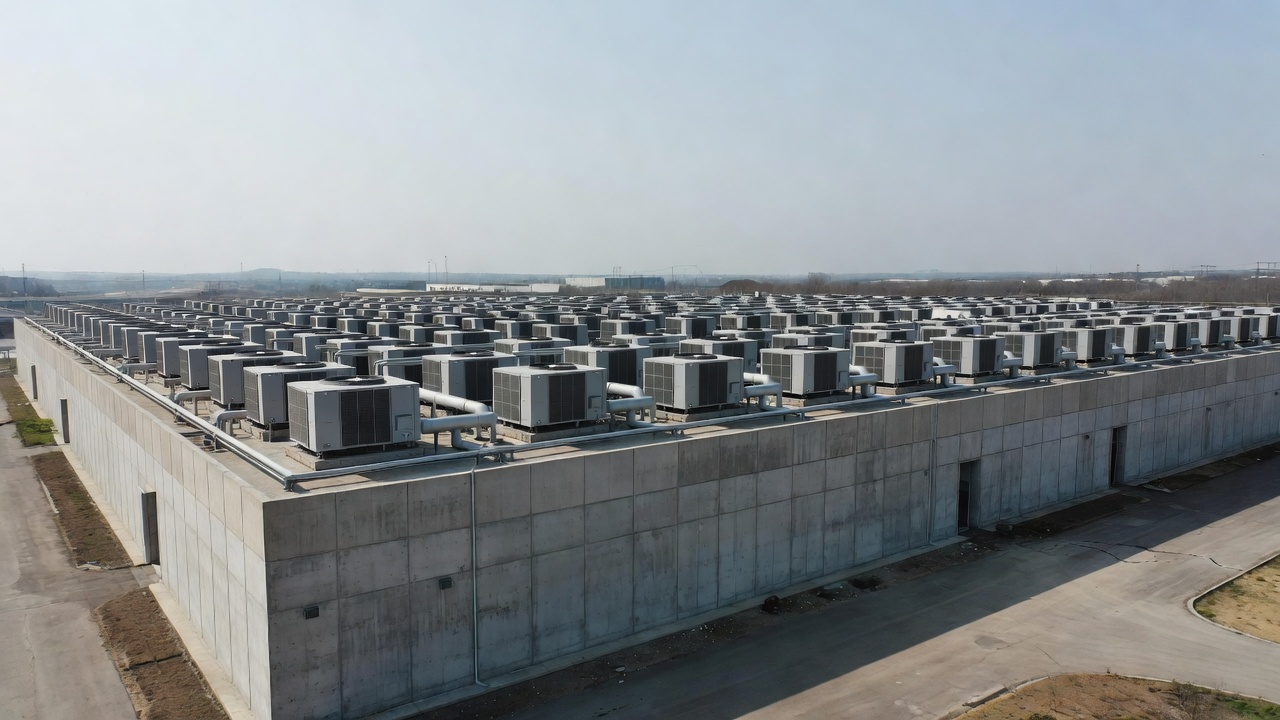
Amazon spent $173 billion on property and equipment in the fiscal year ended June 30. GPUs. Natural gas turbines. Land. That figure sits $65 billion above the prior year. The company then raised its 2026 capex forecast to $220 billion while burning through cash reserves, posting its first negative free cash flow of the year. Under any other framework, this would trigger a sell-off. Instead, the stock jumped nearly 10% after hours.
The reason is straightforward. AWS revenue grew 37% year over year to $42 billion for the quarter. That growth does not cover the capex in raw arithmetic. But it signals something investors treat as gospel: demand is tracking supply. Data centers take years to build. Revenue arriving now validates bets placed years ago. The time lag works in Amazon's favor.
Microsoft and Google just proved the same pattern. Their shares popped on cloud strength. Meta, by contrast, dropped 8% after reporting its own capex binge. The difference is not spending discipline. Meta spends aggressively too. The difference is a cloud business that prints money. Meta has no AWS. It has no Azure. It has no Google Cloud. It has only the promise that its models will someday justify the outlay. The market said: not good enough.
This dynamic reveals a structural distortion in the AI economy. Capital flows to the picks-and-shovels layer because that layer shows revenue today. The model layer — labs, startups, frontier research — gets skepticism because its revenue lives in the future. Amazon's hosting revenue is someone else's AI bill. Every dollar AWS collects is a dollar an AI company spent on compute. The transfer is real. The creation is not.
Amazon understands this. Its custom silicon bets — Trainium TPU, Graviton processor — do not show up in capex headlines. They show up in margins. Jassy spelled it out on the earnings call: the AI business will follow the same margin trajectory as the core business. AWS and Bedrock do not need a frontier model to win. They win because no single model will rule them all. The cloud hosts the plurality. The cloud takes a cut of every inference.
That is a durable position. But it is also a parasitic one. If the model layer fails to produce step-function improvements — reasoning that unlocks new markets, capabilities that justify enterprise rewiring — the cloud revenue curve flattens. You cannot host growth forever on the same workloads. The time lag that currently reassures investors will eventually reverse. Data centers built for yesterday's demand become stranded assets when tomorrow's models don't arrive.
Investors are not irrational. They are pricing certainty. Cloud revenue is certain. Model breakthroughs are not. But a market that only funds the toll booth and never the road finds itself with a beautiful booth on a road to nowhere. Amazon's $220 billion bet assumes the road keeps extending. The market cheers the bet. It should also ask who is paving.